
The body is not a sculpture that exists to be judged. It is the means by which you carry a child, climb a staircase, embrace another human being, work, play and stay in the world. Health matters because it expands the range of things your life can contain.
There is no perfect routine that removes vulnerability. Genetics, illness, disability, environment, stress and access to care all matter. But a surprisingly large part of health improvement rests on ordinary actions repeated for years rather than dramatic interventions performed for weeks.
Move in ways you can keep doing
For adults, the World Health Organization recommends 150–300 minutes a week of moderate aerobic activity, or 75–150 minutes of vigorous activity, or an equivalent combination. It also recommends muscle-strengthening work involving major muscle groups on two or more days each week.
That may sound intimidating, but physical activity includes walking, cycling, active commuting, household work and play. Starting below the target still has value. The biggest mistake is often selecting a routine so ambitious that it collapses after three days.
Arrange your day to make movement easy: shoes by the door, a walk after lunch, stairs when practical, a scheduled workout with modest expectations. Gradually increase difficulty when your body tolerates it.
Strength is a long-term investment
Resistance training helps maintain muscle, function and independence. You do not need a heroic program to begin. Squats or sit-to-stands, pushing, pulling, carrying and hip-hinge movements can form the basis of balanced sessions, adapted to your ability and medical circumstances.
Learn good technique, allow recovery and progress gradually. Pain that is persistent, severe or unusual deserves appropriate assessment rather than a command to ‘push through.’ A useful program is one you can repeat without turning exercise into punishment.
Eat for nourishment, not for self-contempt
A sustainable diet should supply enough energy, protein, essential fats, vitamins, minerals and fiber while remaining compatible with your preferences and resources. The WHO emphasizes a varied pattern including vegetables, fruit, legumes, whole grains and nuts, alongside limits on excess sodium, free sugars and unhealthy fats.
For people trying to lose body fat, a modest energy deficit is generally more maintainable than starvation-style restriction. For people training to build muscle, adequate food and protein help recovery. Individual requirements differ by age, activity, health and goals.
No single meal makes you virtuous or bad. Learn to distinguish hunger, habit, convenience, boredom and genuine pleasure without turning food into a moral trial.
Sleep is not wasted productivity
Most adults need at least seven hours of sleep each night, according to the CDC. Sleep supports attention, mood, physical recovery and cardiovascular health. Chronically sacrificing it to make room for more work can undermine the work itself.
Protect regular bed and waking times where possible. Get daylight, move during the day and reduce caffeine late enough that it does not disturb sleep. If snoring, insomnia, persistent fatigue or sleep disruption remains severe, consider professional assessment rather than relying on willpower alone.
Your nervous system lives in a social world
A mind under relentless pressure often needs changes in circumstances, not just more breathing exercises. Unsafe work, prolonged loneliness, financial insecurity and painful relationships can contribute to distress. Supportive connection, meaningful activities and rest are not luxuries added after your health is perfected.
Psychotherapy and other treatments can help people with persistent anxiety, depression and other mental health difficulties. Some symptoms also require medical evaluation. Self-help has value, but there is no virtue in treating every problem alone.
Build habits around friction
People rarely make consistent choices through motivation alone. Make the helpful behavior easy to begin and the unhelpful one less automatic. Prepare simple meals ahead. Decide your exercise time before the day becomes crowded. Keep addictive or distracting digital habits from dominating the hours intended for sleep or relationships.
Use a small number of meaningful measures: strength, walking capacity, sleep quality, energy, medical indicators as appropriate, and your ability to enjoy life. Appearance may matter to you, but it is only one possible outcome.
The real objective
Health is not an endless campaign against the person in the mirror. It is a relationship with your future self: a person who may need strength to recover from illness, endurance to play with children and mental flexibility to navigate uncertainty.
Do what increases your capacity to live. Repeat it long enough for the benefits to accumulate. Adjust without shame when life changes.
Sources and further reading
World Health Organization, physical activity
World Health Organization, healthy diet
NIMH, evidence-based psychotherapies
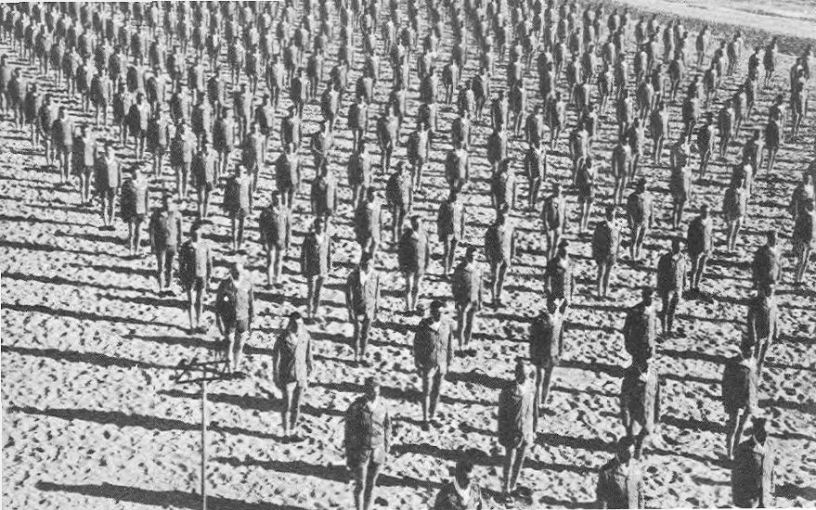
Featured photograph: United States Army Air Forces, group calisthenics on Miami Beach in 1943 (public domain).
Support DEPTH
Independent, evidence-based writing takes time. Help keep these articles freely accessible.

Boost us
If you like our content help us to create more.
$5.00
Discover more from The Confessor
Subscribe to get the latest posts sent to your email.
