
A child spills a drink. An adult snaps. The child’s face changes, and suddenly a small accident has become a lesson about whether love is safe when things go wrong.
Most parents will sometimes lose patience. The aim is not perfection. It is to build a home where a child can be curious, capable, honest and emotionally secure — and where mistakes can be repaired instead of becoming permanent verdicts on character.
Children need protection and boundaries. They also need room to be children.
Connection comes before control
The Harvard Center on the Developing Child describes the importance of ‘serve and return’: a baby or child signals interest, distress or curiosity, and an attentive adult responds. These back-and-forth exchanges support developing social, language and emotional capacities.
As children grow, that principle becomes less about responding to babbling and more about listening to stories that seem trivial to grown-ups, noticing what excites them, and finding time for unscheduled conversation. A child’s enthusiasm is an invitation into their world.
Look up when they speak. Ask one more question. Occasionally abandon the adult agenda and follow their game. To a child, these small acts can communicate: I matter here.
Don’t confuse obedience with maturity
A quiet, compliant child is not necessarily a confident or emotionally healthy child. Fear may produce immediate obedience while undermining trust. Equally, unlimited permission does not equip children to handle frustration or respect other people’s needs.
Good boundaries are clear, predictable and age-appropriate. ‘You cannot hit your friend’ is different from ‘You are a bad boy.’ ‘We are leaving in ten minutes’ gives more structure than an abrupt order. Explain rules when explanation helps, and keep them even when your child is annoyed.
Your job is not to prevent every unhappy feeling. It is to help a child survive disappointment without shame, cruelty or panic.
Play is not a reward for completing the real business of life
Through play, children experiment with roles, conflict, movement, humor and imagination. They practice negotiation and discover what their bodies and minds can do. It can be tempting to fill every afternoon with instruction, improvement and measurable achievement. But play is itself an important developmental activity.
Make room for nonsense. Let a game last longer sometimes. Go outside with no educational mission. Build something absurd. Laugh when the plan collapses. These moments may be remembered long after worksheets and extracurricular schedules are forgotten.
Protect the child’s independent self
Children are not extensions of their parents’ ambitions, political beliefs or unresolved wounds. They will have temperaments, interests and fears that surprise you. Some may be adventurous, others cautious; some verbally expressive, others slow to disclose feelings.
Give age-appropriate choices: which book, which activity, which clothes, how to arrange a small project. Encourage effort and curiosity, not a permanent identity as ‘the clever one’ or ‘the difficult one.’ Praise specific behavior rather than making affection conditional on performance.
Respect bodily boundaries too. Teach children that their bodies matter and that affectionate contact is something to be shared, not forced for an adult’s convenience.
Repair what you damage
You will sometimes shout, become distracted, impose a stupid rule or fail to listen. A good apology from a parent is not a sign of collapsed authority. It models accountability.
‘I was too angry about the mess. You didn’t deserve to be shouted at. We still need to clean it, and I will try to handle my frustration better.’ That statement maintains the boundary while taking responsibility for the adult’s behavior.
Don’t demand instant forgiveness. Let the child feel hurt, then demonstrate through repeated conduct that the repair was real.
Teach emotional skills by using them
Help children name what they feel. Anger is permitted; hitting is not. Sadness is permitted; making others responsible for eliminating it is not. Fear deserves understanding, and gradual courage can be celebrated without humiliation.
Your own emotional regulation teaches more than speeches. A child watches how you handle criticism, frustration, rejection, tiredness and conflict with other adults.
Don’t make your child responsible for your happiness
Children can love their parents deeply without becoming therapists, confidants in adult disputes or substitutes for missing partners. They should never feel responsible for keeping a parent alive, emotionally stable or socially fulfilled. Adult problems require adult support.
If your family structure changes, speak simply and honestly without recruiting your child to take sides. Preserve routines and relationships where possible. Give them permission to enjoy time with every safe, loving caregiver.
The simplest test
When your child is grown, what will their inner voice sound like? Will it call them stupid when they fail, or help them try again? Will they associate love with surveillance or with being known? Will they dare to disagree without fearing abandonment?
There is no parenting formula that can guarantee an outcome. Health, luck, temperament, peers and the wider world matter. But every day offers chances to give attention, boundaries, play, warmth and repair.
Raise a child who can eventually leave you without feeling they have to escape you — and return because they want to.
Sources and further reading
Harvard Center on the Developing Child, Serve and Return
Harvard, Five Steps for Brain-Building Serve and Return
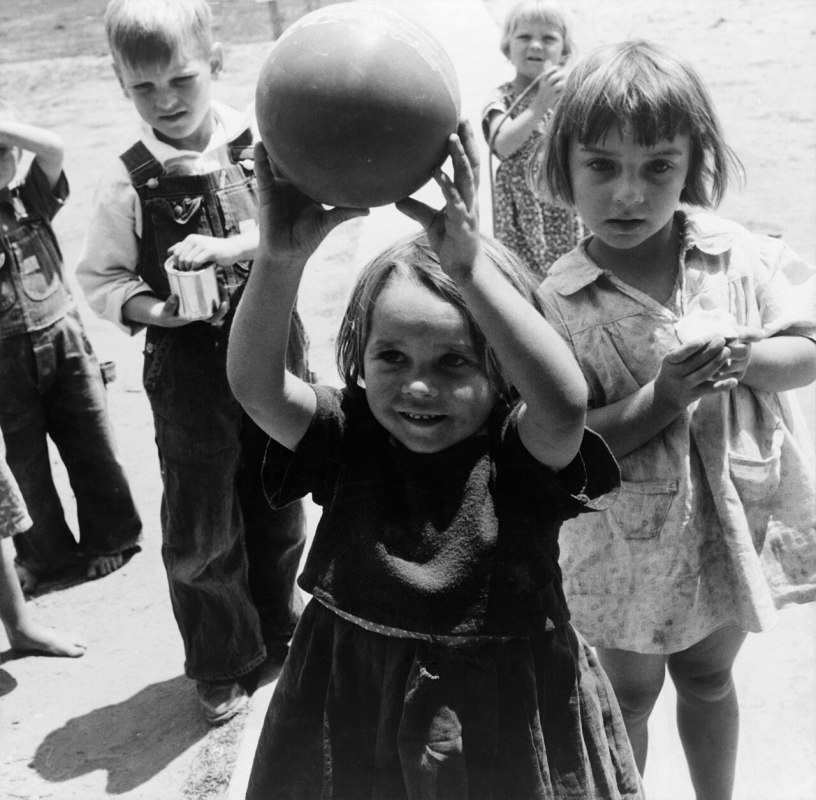
Featured photograph: Dorothea Lange, migrant children playing at an FSA camp nursery in California, 1939 (public domain).
Support DEPTH
Independent, evidence-based writing takes time. Help keep these articles freely accessible.

Boost us
If you like our content help us to create more.
$5.00
Discover more from The Confessor
Subscribe to get the latest posts sent to your email.
