
Almost every achievement in the world becomes less interesting when there is nobody you want to tell about it. You can own a house, have an audience, accumulate knowledge and still suffer from the absence of someone who knows you intimately.
Love and friendship are not decorative additions to an otherwise successful life. They are among the things for which we build lives. Yet closeness cannot be manufactured by sheer effort, and another human being cannot be recruited by force of will.
You cannot create reciprocity alone
A relationship takes at least two people who choose, in some meaningful way, to participate. Attraction, affection and friendship cannot be extracted by argument or earned through endless self-sacrifice. This is painful because your own behavior is the part you control, while the response you long for belongs to someone else.
The first principle is therefore simple: offer connection, observe reciprocity, and invest in people who also invest in you. Do not confuse being indispensable, admired, feared or useful with being loved.
Repeated presence matters more than impressive introductions
Friendships often develop through ordinary recurrence: the same class, the same volunteer project, the same walk, the same table, the same shared problem. Familiarity gives people chances to discover one another without turning every interaction into an audition.
Join or build places where people see each other again. Invite someone to an activity with a clear time and place. Keep the invitation light enough to decline. Follow up when the meeting was good. Show interest in the other person’s inner world rather than performing your own biography.
Attention is the currency of intimacy
Being present means listening for what matters to a person, remembering it, and allowing them to affect you. Ask questions that cannot be answered with a résumé: what makes you feel alive? What has been difficult lately? What are you looking forward to? What do you wish people understood?
But attention cannot be one-sided interrogation. Share something true about yourself. Vulnerability works best when it unfolds with trust, not when one person demands instant emotional access.
Love requires both desire and respect
Attraction without respect can become consumption. Respect without genuine mutual affection may become dutiful companionship. Healthy intimacy leaves room for delight, disagreement, separate interests and an enthusiastic ‘yes’ or an equally respected ‘no.’
Be explicit about what you want, but curious about what the other person wants. Do not pretend to be indifferent to avoid rejection. Do not convert disappointment into entitlement. A desirable relationship is one in which both people retain their freedom.
Conflict does not prove a relationship has failed
People misread one another, break promises, get tired, become defensive and say foolish things. The crucial distinction is between repairable conflict and a persistent pattern of contempt, coercion or abuse.
Good repair is specific: ‘I interrupted you. I was angry, but that was not fair. I will do this differently.’ It avoids hiding behind ‘sorry you felt hurt.’ Apology matters only when behavior can change. Forgiveness is possible but not owed on demand.
Boundaries protect affection
Saying no to a request can preserve your ability to say yes freely later. You are allowed private time, independent friends, bodily autonomy and commitments outside a relationship. A boundary describes what you will do; it is not a threat designed to control another person.
If you are consistently frightened, humiliated, isolated or pressured, the solution is not to become more skilled at pleasing the person hurting you. Safety comes before relationship maintenance.
Friendship is an action, not only a sentiment
Remember birthdays if they matter to someone. Turn up when they need help. Offer practical assistance without keeping a ledger. Celebrate their good news without making it about yourself. Also create occasions for play: relationships built only around crisis can become exhausted.
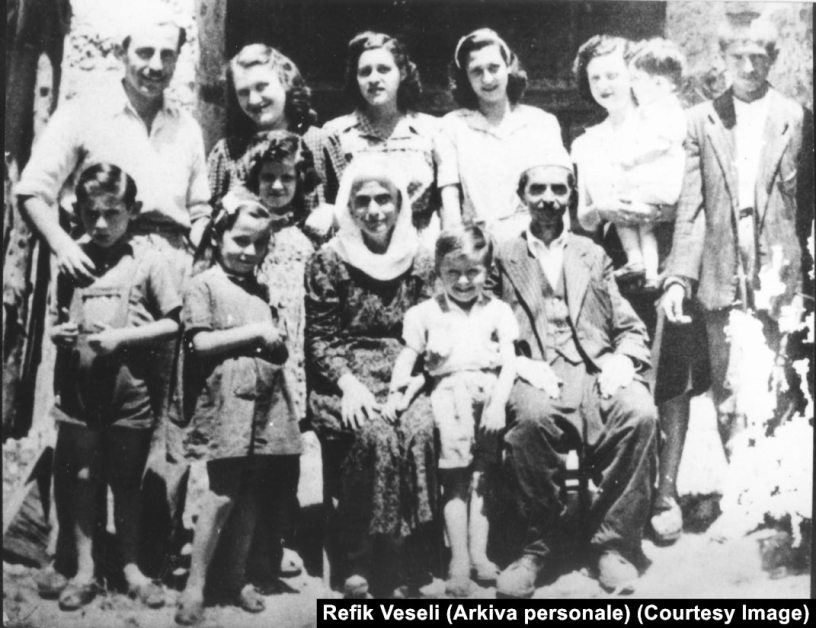
The 1944 photograph above shows families whose bonds were tested by mortal danger. Not every friendship demands heroism. Most demand something less theatrical and more frequent: showing up.
A life designed for connection
Make enough space in your week for other people to find you. Put recurring gatherings ahead of endless browsing. Reconnect with people you genuinely like. Accept that some approaches will go nowhere. Keep your dignity intact and your invitations alive.
The aim is not to become liked by everyone. It is to build a small world in which affection is mutual, reality can be spoken, and you do not have to perform to belong.
Sources and further reading
CDC, effects of loneliness and social isolation
Harvard Center on the Developing Child, responsive relationships
Featured photograph: 1944 photograph of members of the Albanian Veseli family with Jewish families they sheltered during the Holocaust; previously archived in Project Authenticity’s image library.
Support DEPTH
Independent, evidence-based writing takes time. Help keep these articles freely accessible.

Boost us
If you like our content help us to create more.
$5.00
Discover more from The Confessor
Subscribe to get the latest posts sent to your email.
