
A person can sacrifice years of life caring for a stranger and, in another setting, participate in cruelty. Someone can long for intimacy and push away the person offering it. A crowd can celebrate generosity today and demand punishment tomorrow. To understand human nature is to refuse the fantasy that we are either angels or monsters.
We are biological organisms, social learners and individual histories all at once. Evolution helps explain the capacities we inherited; culture and experience help explain which capacities are encouraged, discouraged or transformed. Neither biology nor childhood makes every act inevitable.
We are built for connection and survival
Humans survived through cooperation in groups. Infants are unusually dependent on extended care, and relationships shape development, learning and protection. Connection matters to physical and mental health; its absence can hurt even when a person appears materially comfortable.
But the same capacity for attachment can produce anxiety, jealousy, possessiveness and grief. We fear losing those who matter to us. Understanding that fear does not excuse controlling behavior; it helps us respond without automatically obeying it.
Desire is a signal, not an instruction
Hunger, attraction, curiosity, status-seeking and sexual desire draw attention toward possible rewards. They can energize art, exploration, work and relationships. But a desire’s intensity does not establish that an object is good for us, that another person must reciprocate, or that immediate gratification is worth its costs.
Maturity does not require becoming numb. It means holding a powerful want without surrendering judgment, consent or dignity. Sometimes the appropriate response is pursuit. Sometimes it is restraint, grief or change.
Emotion supplies information and sometimes distorts it
Fear notices danger; anger notices perceived violations; disgust protects boundaries; shame tracks social exposure; joy helps reinforce rewarding experiences. But emotions are not courtroom verdicts. Anger can misidentify an enemy. Shame can convict an innocent person — yourself. Fear can treat a memory as a prediction.
Instead of suppressing every feeling, try naming the emotion, identifying the interpretation behind it and deciding what action fits the facts. The ability to reflect creates space between impulse and behavior.
Competition and cooperation are not opposites
Humans compete for resources, status, mates, recognition and opportunities. We also trade, teach, share knowledge, build institutions and undertake extraordinary collective projects. Competition can improve performance when rules are fair; it can become destructive when people are reduced to winners and losers.
Cooperation is not merely niceness. It depends on trust, credible commitments, reciprocity, enforcement and the ability to restrain exploitation. A functioning society needs both room for individual ambition and protections against predation.
Tribalism makes morality dangerously selective
Group membership can provide solidarity, meaning and the courage to defend others. But the labels ‘ours’ and ‘theirs’ can also reshape whose pain counts. Propaganda exploits this: it attaches fear or disgust to an entire category, then presents mistreatment as necessity.
A demanding ethical test is whether you would defend the same principle if the identities of victim and perpetrator were reversed. Human nature explains why this is difficult. It does not absolve us from trying.
We are capable of change, but never limitless
Temperament, health, economic circumstances, upbringing and trauma influence behavior. People are not blank slates. Yet learning, supportive relationships, deliberate practice, institutional changes and appropriate treatment can all alter behavior over time.
The useful question is not whether a person is fundamentally good or bad. It is which impulses are active, what environments reward them, what constraints exist, and whether the person takes responsibility for what they do.
The human paradox
We need belonging and independence. We seek excitement and safety. We want to be admired and understood, yet often hide what might make understanding possible. Our extraordinary capacities for imagination allow us to fear things that have not happened and care about people we have never met.
You do not become more human by eliminating your contradictions. You become more responsible by recognizing them — in yourself before condemning them in others.
Sources and further reading
Smithsonian, One Species, Living Worldwide
CDC, social connection and its effects
NIMH, psychotherapies and changing patterns
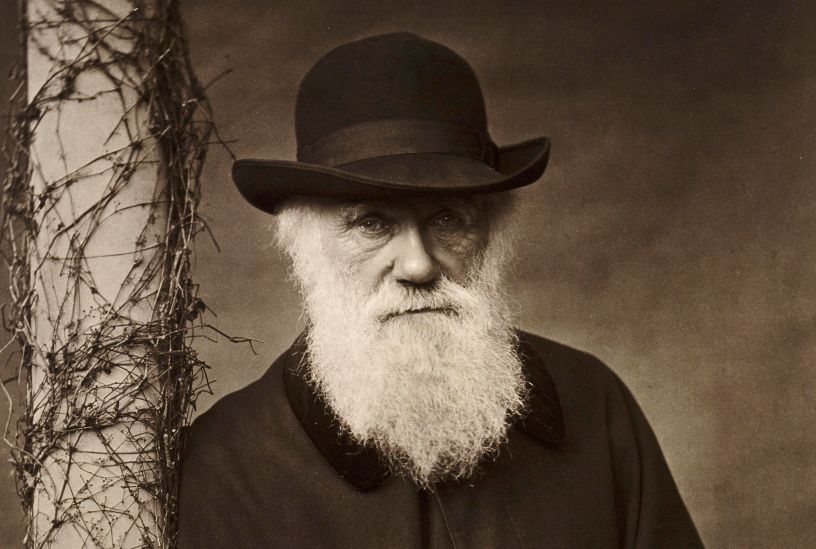
Featured photograph: Elliott & Fry, historical photograph of Charles Darwin in 1881 (public domain).
Support DEPTH
Independent, evidence-based writing takes time. Help keep these articles freely accessible.

Boost us
If you like our content help us to create more.
$5.00
Discover more from The Confessor
Subscribe to get the latest posts sent to your email.
