
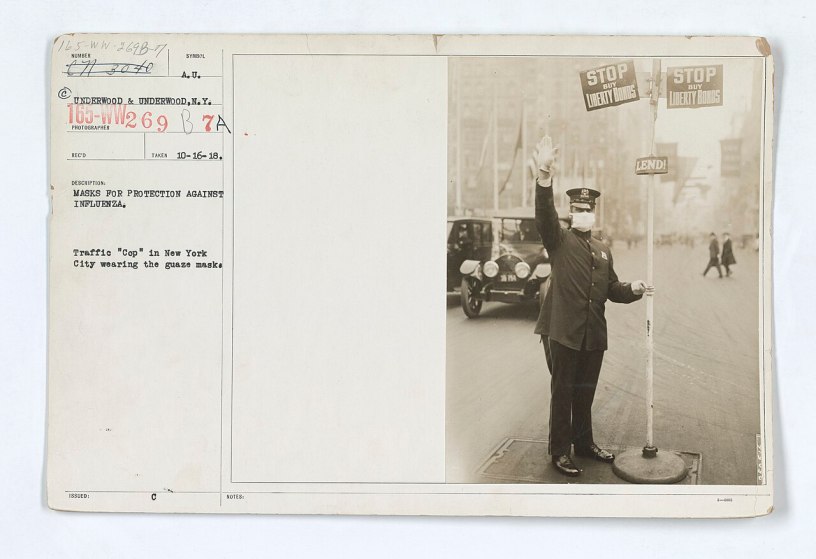
In 1918, even a New York traffic officer wore a face mask during a pandemic. The photograph shows how quickly health can become a shared social concern. Today, the wellness market sells an endless stream of hacks. Yet some of the most consequential protections are unglamorous: avoid tobacco, move regularly, sleep adequately, use preventive care, and pay attention to the quality of your evidence. Health is shaped by housing, income, work, environment and access to care as well as personal choices.
What has the strongest broad evidence?
- Tobacco: stopping smoking reduces major health risks; support and cessation treatments can help.
- Physical activity: regular movement improves health across age groups. The WHO recommends adults generally aim for 150–300 minutes of moderate aerobic activity per week, adapted to ability and medical advice.
- Sleep: consistency and enough sleep matter; persistent sleep problems deserve attention.
- Vaccination: follow recommendations for your age, risks and country, rather than assuming childhood vaccines cover adulthood forever.
- Preventive care: appropriate blood-pressure checks, screenings and attention to symptoms can detect problems early, but unnecessary tests can also cause harm.
- Food and alcohol: broadly nutritious food and avoiding harmful alcohol consumption matter more than miracle ingredients.
These are population-level recommendations, not an individual diagnosis or a demand for perfection. Disability, chronic illness, pregnancy, medications and age can change what is appropriate. A person who cannot meet a guideline is not failing a moral test.
How to recognize a weak health claim
Beware promises of detoxification without a defined toxin, claims that a product ‘boosts immunity’ without a measurable outcome, studies in cells presented as proven human cures, or dramatic benefits that rely on testimonials alone. Ask whether claims were tested in humans, against what comparison, and whether benefits outweigh harms. Check whether the seller makes money from your belief.
The larger lesson is political as well as personal. Clean water, sanitation, safe workplaces, vaccination programs and accessible healthcare save lives that individual motivation cannot save by itself. A healthier society is not simply a collection of people with better habits.
Sources and further reading
- World Health Organization: physical activity
- WHO: vaccines and immunization
- WHO: noncommunicable diseases
- Related: judging health statistics
Historical featured photograph: see the archival image caption for location, date and source. The photograph is contextual, not a depiction of an event in 2026.
Discover more from The Confessor
Subscribe to get the latest posts sent to your email.
