
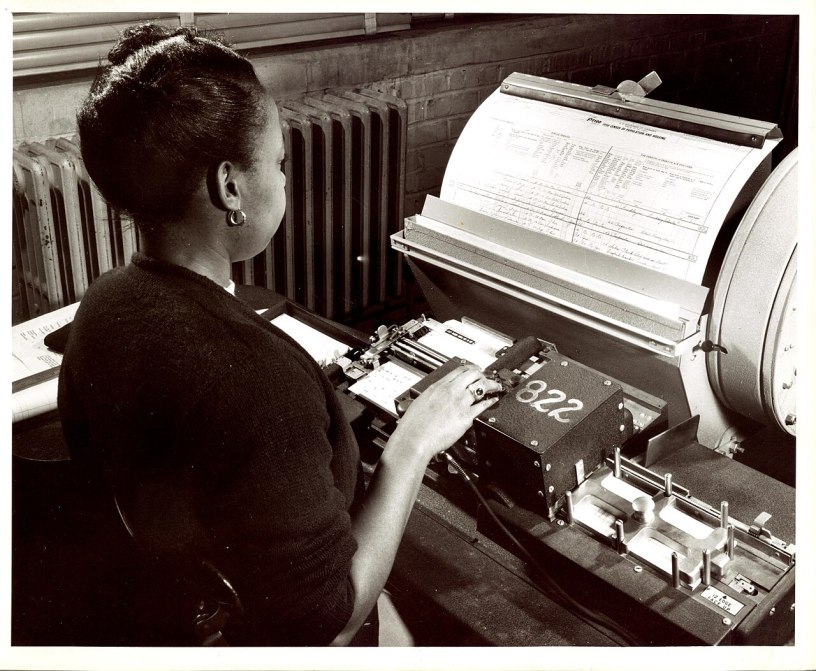
A U.S. Census Bureau worker punched information onto cards in 1950. The work was real; the technology would not last. When computers changed the process, some tasks disappeared and others emerged. In 2026, artificial intelligence raises a similar question at vastly greater speed: which parts of a job can be automated, and which responsibilities still require human judgment? Nobody can honestly supply a guaranteed list of careers that will survive untouched.
A job is not the same as a task
AI systems can draft text, summarize documents, write code, classify images and assist with research. They can also hallucinate citations, misread instructions, reproduce errors and mishandle confidential information. Automation of one task may change the shape of a job rather than eliminate the whole occupation. The International Labour Organization has emphasized the distinction between exposure to generative AI and actual replacement of workers.
Five things worth learning now
- Verify outputs. Check every important quotation, number, legal reference and medical claim against a primary source.
- Understand the tools’ limits. Test AI on familiar tasks so you learn where it fails before relying on it at work.
- Develop domain expertise. Knowing how a business, language, profession or community works helps you detect plausible nonsense.
- Learn to work with people. Trust, teaching, negotiation, care and accountability remain valuable, even when software assists.
- Protect sensitive information. Do not paste private client data, trade secrets or identifiable records into a tool without permission and appropriate safeguards.
For workers, the challenge is not only technical. Who captures the productivity gains? Can employees retrain on paid time? Does the technology improve a service or merely demand faster output? Those are questions for employers, unions, policymakers and workers. A better tool does not automatically produce a better job.
Your practical next move
Write down the ten tasks you perform most often. Mark which are repetitive, which require judgment, which involve sensitive information, and which need a trusted relationship. Pick one low-risk task to improve with AI, measure whether the result is actually better, and keep a human review step. Repeat cautiously; do not redesign your livelihood around a prediction.
The safest long-term strategy is not to compete with machines at their strongest trick. It is to use them where they help, while becoming unusually good at understanding reality, making decisions and serving other people.
Sources and further reading
- International Labour Organization: AI and work
- OECD: the future of work
- Related: how to examine impressive-sounding statistics
Historical featured photograph: see the archival image caption for location, date and source. The photograph is contextual, not a depiction of an event in 2026.
Discover more from The Confessor
Subscribe to get the latest posts sent to your email.
