
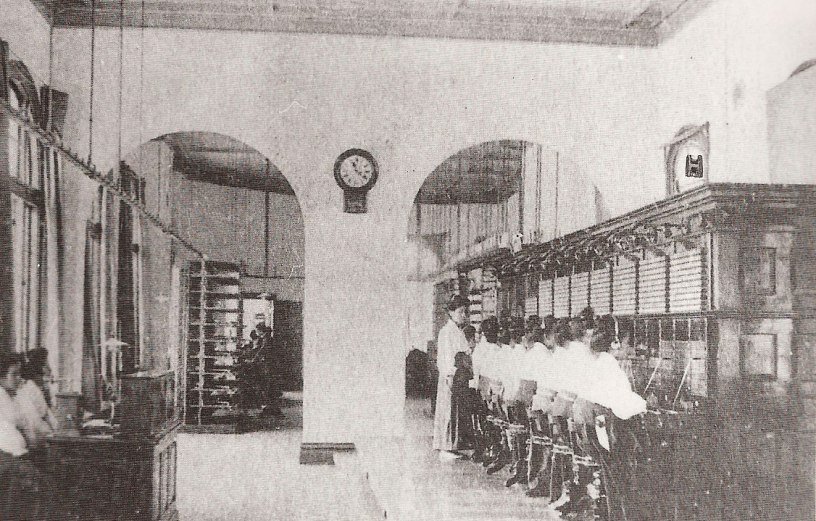
The telephone once required switchboard operators to connect distant strangers. The early twentieth-century photograph accompanying this guide shows a communications revolution; today’s revolution makes it possible to impersonate a voice or invent a believable face. A familiar name, photograph or voice is no longer sufficient proof of identity. Criminals exploit urgency and trust, especially when the message seems to come from a relative, employer, bank or public institution.
Seven red flags
- Artificial urgency: ‘You have ten minutes before your account closes.’
- Secrecy: someone orders you not to tell family, a colleague or your bank.
- Unusual payment requests: gift cards, cryptocurrency, transfers to a ‘safe account,’ or payments outside an established platform.
- Unexpected contact: a message claiming a problem that you did not initiate.
- Verification-code requests: someone asks for a one-time password or login approval.
- Remote access: a caller tells you to install software so they can ‘fix’ your device.
- Guaranteed returns: an investment promises high profit with little or no risk.
The two-minute verification routine
End the conversation. Find the institution’s number from a bank card, an official app or a website you navigate to independently—not a link in the message—and call it yourself. If a loved one seems to be in trouble, call that person through an existing contact method or contact another trusted family member. Never let the alleged emergency dictate the verification channel.
Protect your accounts with long, unique passwords stored in a reputable password manager, and turn on multi-factor authentication, preferably phishing-resistant methods such as passkeys where offered. Update devices regularly. Treat QR codes and emailed links as untrusted until confirmed. Be especially cautious when someone demands you move a conversation off a familiar platform.
If you’ve already shared credentials or money, contact your bank immediately, change passwords from a trusted device, report the incident to relevant authorities and preserve screenshots and transaction records. Speed matters, but panic is the fraudster’s ally. The best protection is a practiced delay.
Sources and further reading
- U.S. Federal Trade Commission: scams and fraud
- U.S. CISA: Secure Our World
- Related: how to verify a claim online
Historical featured photograph: see the archival image caption for location, date and source. The photograph is contextual, not a depiction of an event in 2026.
Discover more from The Confessor
Subscribe to get the latest posts sent to your email.
