
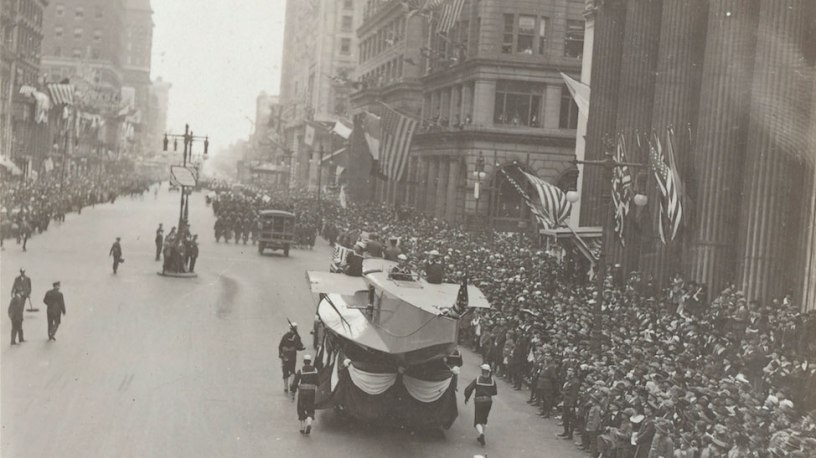
On 28 September 1918, roughly 200,000 people gathered in Philadelphia for a Liberty Loan parade to support America’s war effort. Doctors had warned against mass gatherings: influenza was already spreading. The city’s public health leadership nevertheless allowed the procession to proceed. Flags waved, bands played, and the virus found an enormous crowd.
Within days, hospitals were overwhelmed. According to Smithsonian’s historical account, about 2,600 people in Philadelphia died from influenza and its complications in the week ending 5 October; the following week brought more than 4,500 deaths. The parade did not create the pandemic, but the gathering helped accelerate an outbreak that was already under way.
The story’s most haunting feature is how ordinary the decision seemed to those in charge. Officials wanted patriotism, money for war bonds and a public display of confidence. The citizens who paid the price had trusted the people responsible for protecting them.
- Historical source: Smithsonian Magazine: Philadelphia’s 1918 parade.
- Read next: Philadelphia’s 1918 flu parade: The crowd gathered as the pandemic spread, or explore another global crisis born far from home.
Discover more from The Confessor
Subscribe to get the latest posts sent to your email.
