
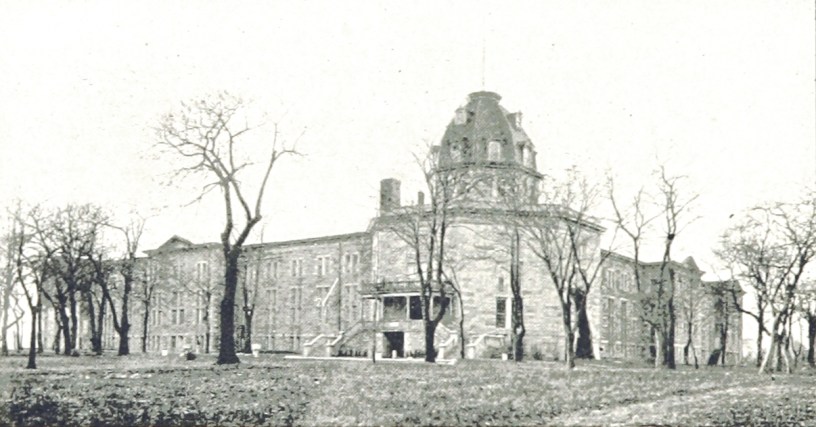
In 1887, a young journalist named Nellie Bly pretended to be mentally ill and got herself committed to the women’s asylum on Blackwell’s Island in New York. For ten days she lived among women who had little power to challenge the institution holding them. She emerged with a story that readers could no longer dismiss as distant rumor.
In Ten Days in a Mad-House, Bly described cold baths, poor food, harsh treatment and patients who were frightened or misunderstood. Some women, she argued, were trapped not because their condition had been carefully assessed but because authorities were unwilling or unable to listen to them. She had entered the institution with a way out; most of its residents had no such assurance.
Her reporting helped force public scrutiny and contributed to reforms. It also demonstrated a radical possibility for journalism: instead of simply repeating the claims of powerful institutions, a reporter could experience their workings and tell readers what she found. Bly made herself vulnerable to expose people who had been denied a voice.
- Historical source: Library of Congress: Nellie Bly research guide.
- Read next: The 1904 Olympic marathon: Rat poison, a car ride and a collapsing winner, or explore Helen Hamilton Gardener’s fight for women and girls.
Discover more from The Confessor
Subscribe to get the latest posts sent to your email.
