
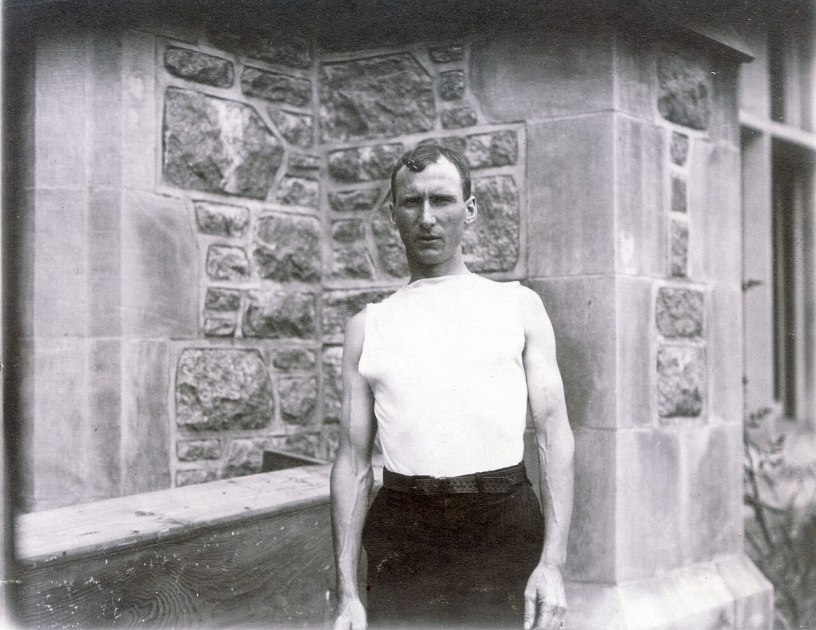
The winner of the 1904 Olympic marathon in St. Louis was given strychnine, a toxic substance later widely used as rat poison, during the race. Thomas Hicks’s handlers also supplied egg whites and brandy as they struggled to keep him moving. He reached the finish in a state of near collapse. This was an Olympic victory before modern anti-doping rules existed.
The course offered punishing heat, choking dust and just one official water station. Only 14 of the 32 starters finished. One runner was chased off course by dogs; another stopped to eat fruit and fell sick. And Fred Lorz briefly appeared to win—until it emerged that he had covered about 11 miles of the course in a car.
The organizers had imagined a demonstration of athletic endurance. Instead, their marathon became a lesson in dangerous medical beliefs, poor planning and outright farce. Hicks remained the official gold-medal winner, but the enduring question is less who came first than how any of the runners survived.
- Historical source: International Olympic Committee: the 1904 marathon.
- Read next: Nellie Bly’s Ten Days in a Mad-House: The journalist who entered an asylum, or explore the Vietnamese teenager who captured a U.S. airman.
Discover more from The Confessor
Subscribe to get the latest posts sent to your email.
