
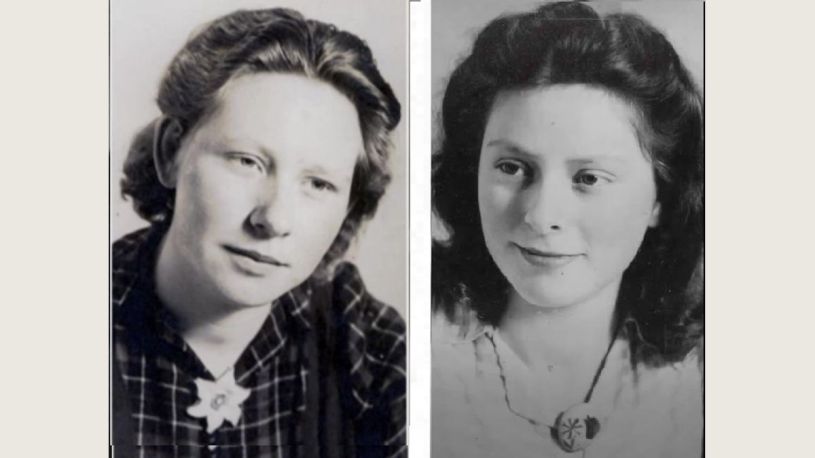
Before they were old enough to vote, Truus and Freddie Oversteegen were helping resist the German occupation of the Netherlands. Their mother had raised them in an anti-fascist household, and after the German invasion the sisters entered clandestine work where youth and apparent innocence could become both cover and a source of terrible danger.
They transported messages and weapons, guided people through occupied territory and later took part in armed operations. Their resistance group included Hannie Schaft, another young woman whose work would make her a symbol of Dutch defiance.
Popular retellings often fixate on stories of girls using flirtation to lure enemy soldiers into ambushes. That image attracts attention, but it risks flattening what their resistance actually involved: intelligence, sabotage, evasion, difficult political choices and the constant possibility of betrayal. The Dutch underground was not an adventure club. Its members could be tortured or shot.
Freddie was only fourteen when she joined the resistance. Both sisters survived the war, but survival did not erase what they had witnessed or done. Truus became a writer and artist; Freddie spoke publicly about her wartime experiences.
Their story raises a disturbing moral question: what kind of occupation forces a teenager to become involved in killing, and what does the rest of society owe someone who had to grow up in those circumstances?
Sources and photograph
National WWII Museum, Freddie Oversteegen. Historical photograph or documentary image: original image source. The featured image contains two separate portraits of the sisters.
Support independent history writing
If you value independently researched historical stories, you can help keep DEPTH publishing by making a contribution.

Boost us
If you like our content help us to create more.
$5.00
Discover more from The Confessor
Subscribe to get the latest posts sent to your email.
