
During the Second World War, German agents operating in the Americas sent coded messages intended to help Berlin gather information and disrupt Allied interests. Much of the most important work exposing those networks took place not in a dramatic chase but at desks where analysts confronted columns of apparently meaningless characters.
Elizebeth Smith Friedman had become a cryptanalyst long before the war. She had already helped US authorities defeat rum-running communications during Prohibition. Wartime work for the Coast Guard and other agencies drew on her exceptional ability to find structure inside supposedly secure cipher systems.
Her team worked on communications used by Nazi espionage networks in Latin America. The intelligence contributed to the disruption of German operations. Yet J. Edgar Hoover and the FBI received prominent public credit for cases in which Coast Guard cryptanalysts had played crucial roles. Secrecy around signals intelligence made the imbalance harder to correct.
Friedman did not fit the image of the lone genius instantly solving a puzzle. Cryptanalysis depended on painstaking comparative work, disciplined hypotheses, collaboration and an understanding of how real people make mistakes when they use technical systems.
Her story asks a question relevant far beyond wartime intelligence: when institutions win public admiration, whose work becomes invisible in the telling? Historical recognition often follows the organisation controlling the publicity rather than the person who performed the decisive analysis.
Sources and photograph
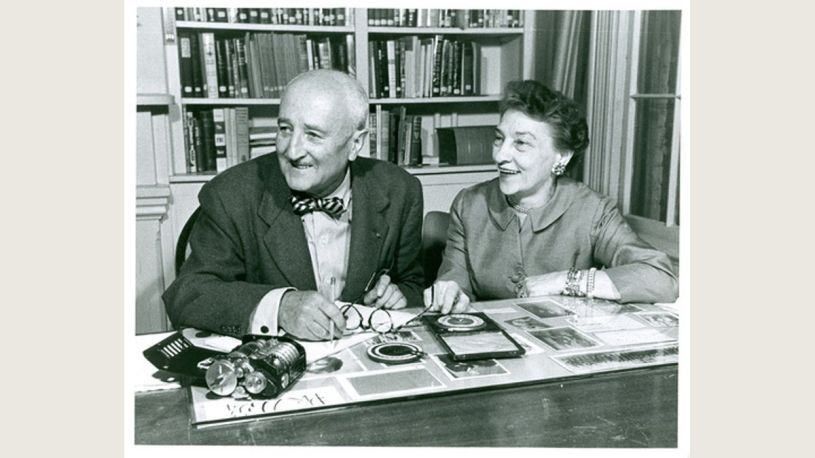
National Security Agency, Elizebeth Smith Friedman. Historical photograph or documentary image: original image source.
Support independent history writing
If you value independently researched historical stories, you can help keep DEPTH publishing by making a contribution.

Boost us
If you like our content help us to create more.
$5.00
Discover more from The Confessor
Subscribe to get the latest posts sent to your email.

