
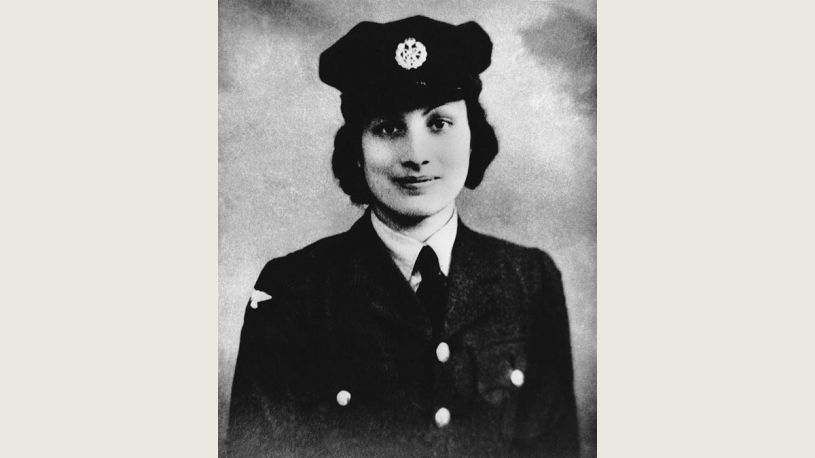
Noor Inayat Khan had been raised in a family influenced by Sufi spirituality and pacifist ideals. During the Second World War, she chose to fight Nazi occupation not by carrying a rifle but by operating one of the most dangerous pieces of equipment in occupied France: a clandestine radio transmitter.
Wireless operators were indispensable to the British Special Operations Executive. They transmitted intelligence, requested supplies and connected isolated resistance networks to London. Every transmission also created an opportunity for German radio-detection teams to find them.
In 1943 Khan was sent to France under the codename Madeleine. Soon members of her network were arrested. She continued operating when her situation had become exceptionally dangerous, moving between locations to avoid detection. Eventually betrayed and captured, she attempted to escape detention. The Germans transferred her to harsher captivity.
She was executed at Dachau in September 1944. Britain posthumously awarded her the George Cross. Her story resists the comfortable stereotype that resistance belongs to a single religion, nationality or style of personality. She was a writer of children’s stories and a committed opponent of fascism who knew the consequences of capture.
The radio equipment in her hands was not glamorous technology. It was a lifeline for other people, and operating it required daily decisions to continue despite the knowledge that each signal might be the last.
Sources and photograph
National Muslim War Memorial Trust, Noor Inayat Khan GC. Historical photograph or documentary image: original image source.
Support independent history writing
If you value independently researched historical stories, you can help keep DEPTH publishing by making a contribution.

Boost us
If you like our content help us to create more.
$5.00
Discover more from The Confessor
Subscribe to get the latest posts sent to your email.
