
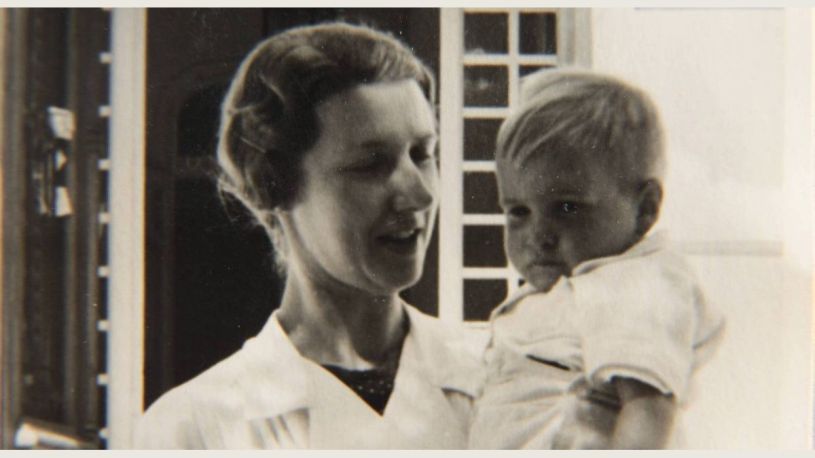
A photograph shows Mary Elmes holding a small child. It looks almost domestic. But during the Second World War, the task of caring for a Jewish child in southern France could be an act of defiance against a system of internment and deportation.
Born in Cork, Elmes had already worked with refugees from the Spanish Civil War. When France fell and the Vichy regime began cooperating with Nazi persecution, she helped people imprisoned in camps such as Rivesaltes. She organised relief, kept track of families and helped children leave conditions that were becoming increasingly lethal.
Her work cannot be understood simply as kindness. Rescue depended on administrative knowledge: which official might sign a document, which institution could receive a child, which transport arrangement would work, and how much could be done before a deportation order arrived. Every successful escape required people willing to take personal risks and make an apparently inflexible bureaucracy yield.
Elmes was arrested and held by the Germans, but was eventually released. She resumed humanitarian efforts. After the war she lived quietly in France rather than cultivating a public reputation for heroism. Her rescue work was later recognised by Yad Vashem.
She illustrates the enormous historical importance of people who know how to make institutions function in the service of human survival. In a crisis, administrative competence can be a form of courage.
Sources and photograph
Irish Examiner, Miss Mary to the rescue. Historical photograph or documentary image: original image source.
Support independent history writing
If you value independently researched historical stories, you can help keep DEPTH publishing by making a contribution.

Boost us
If you like our content help us to create more.
$5.00
Discover more from The Confessor
Subscribe to get the latest posts sent to your email.
