
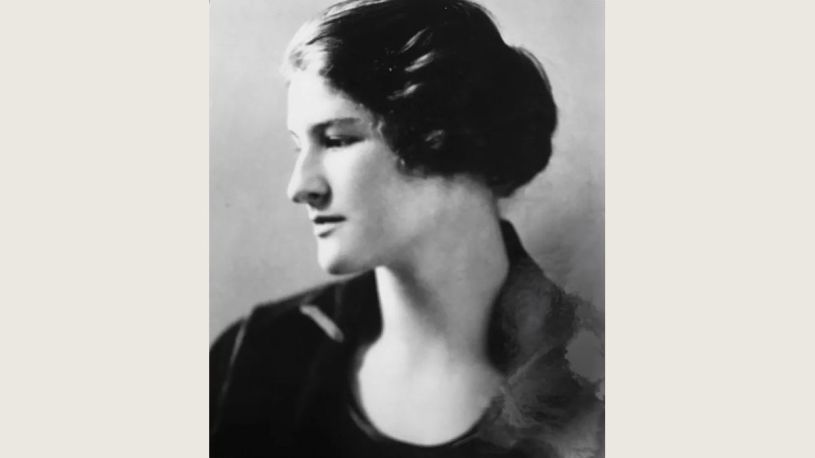
Virginia Hall wanted to become an American diplomat. A hunting accident in Turkey cost her part of her left leg, and the State Department’s rules crushed that ambition. The injury that disqualified her from one kind of government service did not prevent her from becoming one of the most effective Allied agents in occupied France.
Working for Britain’s Special Operations Executive from 1941, Hall organised contacts, gathered information and helped sustain resistance networks. She had to navigate a world in which a mistake could lead not to dismissal but to interrogation, torture and execution. The Germans knew her as a woman who limped. They were trying to catch her.
In late 1942, as German control expanded across France, Hall escaped over the Pyrenees into Spain. It was a punishing route even for people with two functioning legs. Her artificial limb, which she called Cuthbert, made the journey harder. Her British supervisors considered her too recognisable to return. She eventually went back with the American Office of Strategic Services.
Her subsequent work helped coordinate local resistance in advance of Allied operations, including sabotage and intelligence collection. In 1945 she received the Distinguished Service Cross. She later worked for the CIA, in a profession that still offered women limited recognition and advancement.
The lesson is not that disability magically produces heroism. It is that an institution’s assessment of a person’s supposed limitations can be wildly different from what that person actually accomplishes when entrusted with difficult work.
Sources and photograph
The National Archives (UK), Virginia Hall. Historical photograph or documentary image: original image source.
Support independent history writing
If you value independently researched historical stories, you can help keep DEPTH publishing by making a contribution.

Boost us
If you like our content help us to create more.
$5.00
Discover more from The Confessor
Subscribe to get the latest posts sent to your email.
