
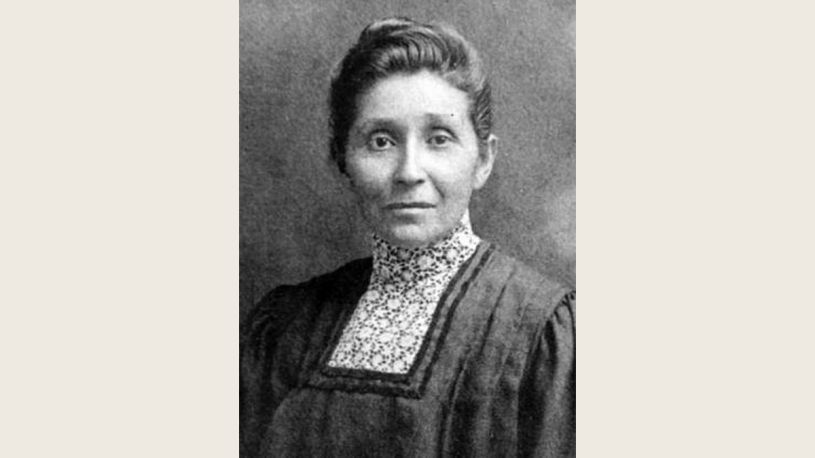
While growing up on the Omaha reservation in Nebraska, Susan La Flesche witnessed how Native American patients could be denied timely medical attention. She determined to become a doctor at a time when relatively few women, and even fewer Indigenous women, received medical degrees.
In 1889 she graduated from the Woman’s Medical College of Pennsylvania. Returning to the Omaha reservation, she treated patients over large distances, frequently travelling when roads and weather made every visit difficult. The scope of her work extended beyond prescriptions to public health, education and advocacy.
She dealt with epidemics and chronic illness but also with the consequences of discriminatory institutions. Illness did not occur in isolation from poverty, land policy and the humiliations of a medical system that frequently treated Native patients as less worthy of care.
Picotte later helped establish a hospital in Walthill. She also argued for the rights of Omaha people to manage their affairs and property. To her, medicine was inseparable from the ability of a community to exercise agency over its own life.
Her career challenges the familiar image of a heroic doctor merely treating one patient after another. She worked to build a structure in which a community could receive medical care on terms of greater dignity.
Sources and illustration
National Park Service, Susan La Flesche Picotte. This post uses an authentic period photograph, engraving, archival illustration or related primary document for its featured image—not an AI reconstruction. The image is framed for wide homepage display.
Support DEPTH
If this kind of historically grounded writing is useful to you, support independent publishing.

Boost us
If you like our content help us to create more.
$5.00
Discover more from The Confessor
Subscribe to get the latest posts sent to your email.
