
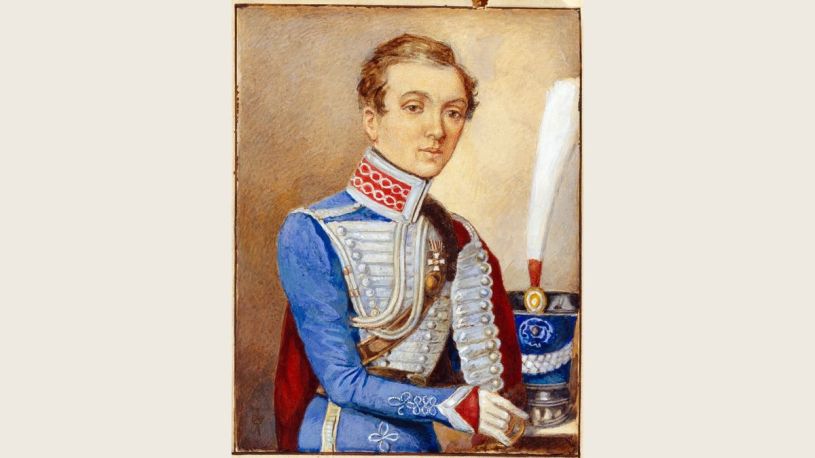
During the Napoleonic Wars, a Russian cavalry officer known as Alexander Alexandrov fought as part of the emperor’s army. The officer was Nadezhda Durova, who had left an expected domestic life and entered military service under a male identity.
Durova served in the cavalry and later published memoirs, often known in English as The Cavalry Maiden, describing military experience, movement, danger and life within a tightly regulated masculine institution. Some biographical details remain contested, and modern categories of gender identity cannot simply be imposed upon an individual who lived two centuries ago.
Military service offered Durova forms of autonomy that ordinary social expectations denied. At the same time, the army demanded rigid discipline and exposed its members to terrible danger. The paradox is that Durova found an unusual freedom within one of the most hierarchical institutions imaginable.
After military service, Durova continued to write. The surviving work is valuable not merely because it describes a woman in uniform, but because it documents how a person organised an entire life around refusing the role society had selected for them.
The featured image is a historical painted portrait of Durova rather than a photograph. She lived during the period in which photography was emerging, but this illustration better preserves the military identity associated with her career.
Sources and illustration
Encyclopaedia Britannica, Nadezhda Durova. This post uses an authentic period photograph, engraving, archival illustration or related primary document for its featured image—not an AI reconstruction. The image is framed for wide homepage display.
Support DEPTH
If this kind of historically grounded writing is useful to you, support independent publishing.

Boost us
If you like our content help us to create more.
$5.00
Discover more from The Confessor
Subscribe to get the latest posts sent to your email.
