
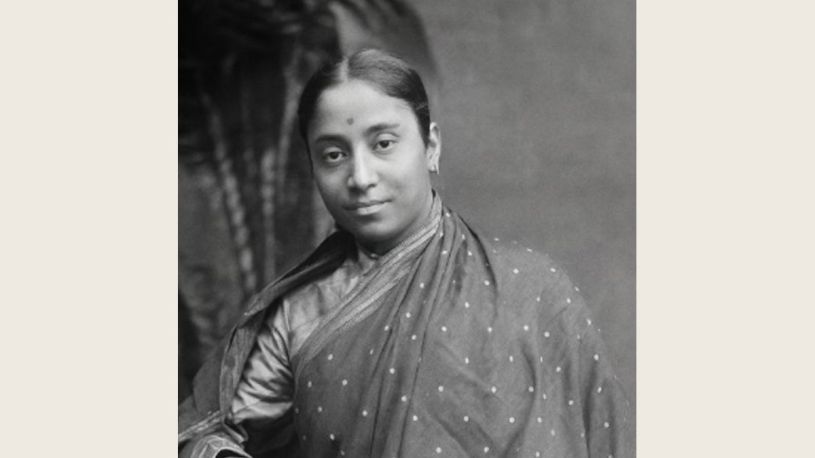
Rukhmabai was married in childhood in nineteenth-century India. When she grew older, she refused to live with the man to whom she had been married. Her refusal provoked an extraordinary legal struggle over whether marriage gave a husband the power to compel a woman’s cohabitation.
Her husband sought a court order for the restitution of conjugal rights. Rukhmabai resisted, and judges, journalists, religious reformers and imperial officials debated what a woman’s consent could mean when she had been married before she could choose.
The legal result was complicated rather than a simple courtroom triumph: the dispute ended in a settlement, and Rukhmabai did not have to live with her husband. The controversy helped strengthen campaigns against child marriage and contributed to the political atmosphere preceding India’s Age of Consent Act of 1891.
She subsequently travelled to Britain, trained in medicine and returned to India as a doctor. Her life joined two forms of independence: the right not to be forced into an intimate relationship and the right to develop a profession and serve patients.
The central question is not whether an individual woman was sufficiently stubborn. It is how legal systems turn decisions made on behalf of children into obligations imposed on adults, and how change becomes possible when one person refuses to cooperate.
Sources and illustration
Encyclopaedia Britannica, Rukhmabai. This post uses an authentic period photograph, engraving, archival illustration or related primary document for its featured image—not an AI reconstruction. The image is framed for wide homepage display.
Support DEPTH
If this kind of historically grounded writing is useful to you, support independent publishing.

Boost us
If you like our content help us to create more.
$5.00
Discover more from The Confessor
Subscribe to get the latest posts sent to your email.
