
Burundi, October 24, 1993. Armed men murdered her best friend, beheaded her, and put her severed head in Marguerite Barankitse’s lap. They demanded that she reveal where the children were hiding.
She refused.
Marguerite “Maggy” Barankitse had taken refuge at the Catholic bishop’s residence in Ruyigi with seven children she had already adopted, from both the Hutu and Tutsi communities. Burundi was descending into ethnic slaughter after the assassination of President Melchior Ndadaye.
Barankitse was Tutsi. The armed men who attacked the compound were Tutsi too. They were looking for Hutu people sheltering inside.
Barankitse hid children in cupboards in the church sanctuary. When the attackers demanded to know where they were, she would not tell them.
They stripped her naked, tied her to a chair, and forced her to watch them murder people she had tried to protect. Seventy-two people were killed.
Her best friend was among the victims. In a later interview with Georgetown University, Barankitse described her friend being beheaded and her head being thrown into her lap.
Why the killers spared her
The attackers did not spare her because they respected her courage. They hesitated to kill her because she belonged to their own ethnic group. As Barankitse explained, they saw her as Tutsi.
She could have cooperated with the men who regarded her as one of their own. Instead, she protected the children those men wanted to find.
In the aftermath, she managed to save 25 children and set about feeding and sheltering them. She had almost nothing. Within a week she was caring for around 80 children. Within a month, about 200.
The home she built from the massacre
Barankitse founded Maison Shalom, the House of Peace, to care for children devastated by Burundi’s civil war. Hutu and Tutsi children grew up together there. The project expanded to education, medical care and support for families.
By 2016, Maison Shalom had helped approximately 30,000 children, according to reporting on her work. The UN refugee agency awarded Barankitse its Nansen Refugee Award in 2005.
In 2015, threats and renewed political violence drove her into exile. She continued helping Burundian refugees from Rwanda.
The killers had given her a reason to hate their victims. They had also given her every reason to hate them. She refused to pass either hatred on to the children.
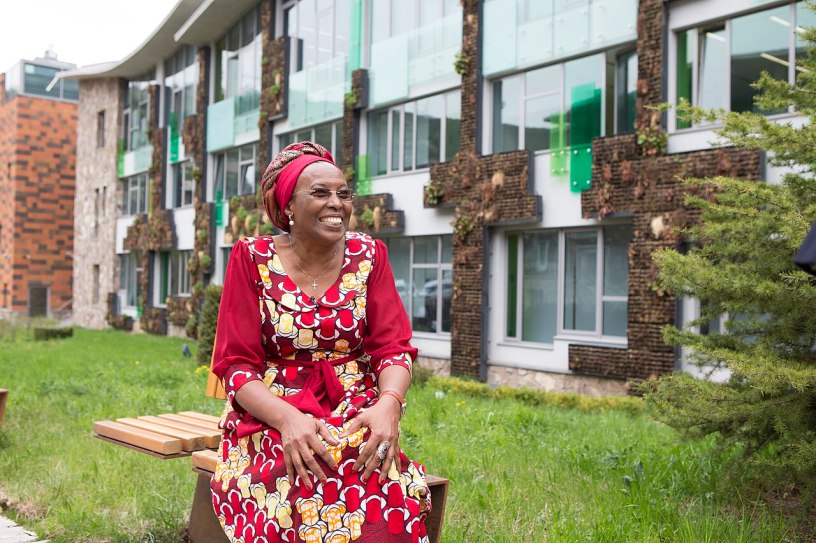
Featured photograph: Marguerite “Maggy” Barankitse at UWC Dilijan, 2016. Photo by Edbarseghyan, licensed under CC BY-SA 4.0.
Sources and further reading
Georgetown University, interview with Marguerite Barankitse — her first-person account of the massacre, the hidden children and why she survived.
Duke University, profile and 2022 lecture by Marguerite Barankitse — background on Maison Shalom and the massacre.
UNHCR, “Angel of Burundi” to receive Nansen Refugee Award — 2005 award and early rescue work.
The Guardian, 2016 interview and report on Maison Shalom — the organisation’s work and her exile.
Support DEPTH
Independent historical research and writing take time. If you value these stories, you can support the work through PayPal.

Boost us
If you like our content help us to create more.
$5.00
Discover more from The Confessor
Subscribe to get the latest posts sent to your email.

