
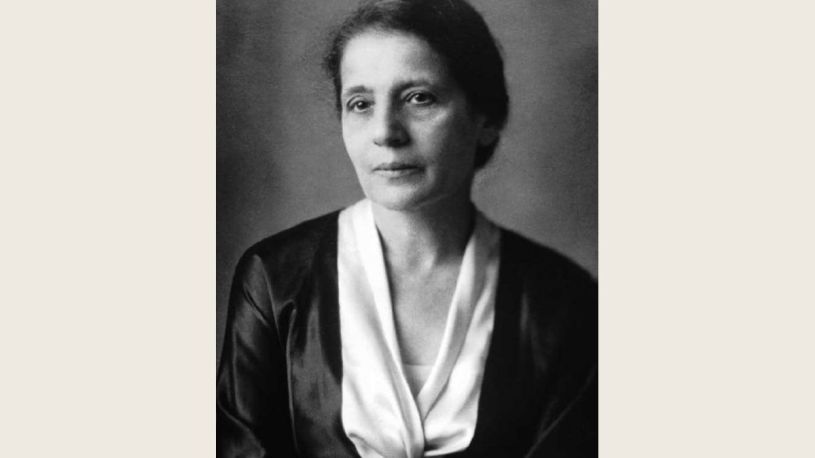
When Otto Hahn and Fritz Strassmann discovered unexpected chemical products from neutron-bombarded uranium in 1938, Lise Meitner was no longer in their Berlin laboratory. As a Jewish scientist, she had fled Nazi Germany and was living in Sweden.
Meitner and her nephew, physicist Otto Frisch, understood the astonishing meaning of Hahn’s results: the uranium nucleus could split, releasing energy. They explained the process and introduced the term nuclear fission. What had looked chemically puzzling now became a fundamental physical discovery.
In 1944 the Nobel Prize in Chemistry was awarded to Hahn alone. Historians have debated the decision’s scientific and political context, including the severe barriers created by Nazi persecution and the division of labour among the collaborators.
Meitner’s part is neither a story of a stolen experiment nor a simple tale of one genius working in isolation. The discovery required chemistry to reveal what had happened and physics to explain how it could happen. Her exclusion from the award demonstrates how official recognition can distort the collaborative reality of scientific advances.
She refused invitations to work on the American atomic bomb. Her career and the fate of nuclear science also raise a question far bigger than prizes: what responsibilities do scientists bear when their discoveries become weapons?
Sources and image provenance
Nobel Prize, Otto Hahn and the 1944 Chemistry Prize. The featured image is a historical photograph or primary historical document; attribution details are stored with the image in the site’s media library.
Support DEPTH
If you want more rigorously researched history on Project Authenticity, support independent publishing.

Boost us
If you like our content help us to create more.
$5.00
Discover more from The Confessor
Subscribe to get the latest posts sent to your email.
