
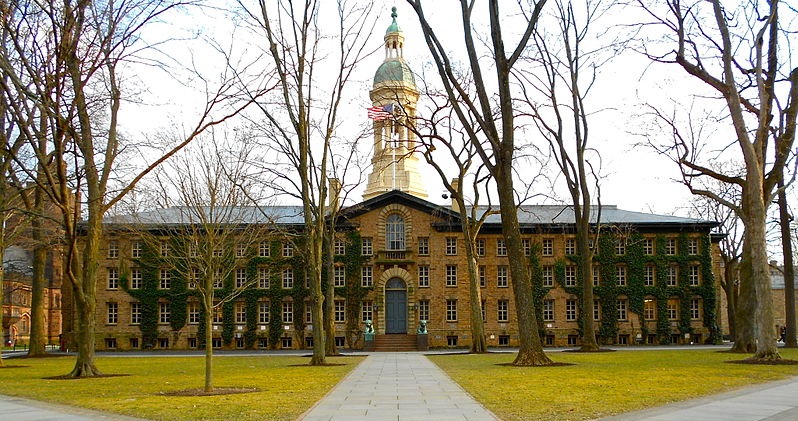
He graduated summa cum laude from Rice University. He earned a PhD in chemical engineering from Princeton. His research on how water forms ice was cited in the scientific background for the 2024 Nobel Prize in Physics.
Then Jack Weis entered the job market.
Two years later, the 30-year-old had submitted more than 2,300 applications and was living in his parents’ basement in Salt Lake City.
He started with pharmaceutical research and prestigious laboratory fellowships. He tried software engineering. He even applied for food-preparation jobs, including at a company selling frozen crab cakes. He was ignored there, too.
He contacted university alumni, searched for startups that had recently raised money, and sent out application after application. Most disappeared without a response. His mother, a physician, examined his applications, looking for something wrong. She couldn’t find it.
In January 2026, he finally found paid work: training AI models on chemical engineering problems for $70 an hour. His hours fluctuated wildly. In March, the project ended, and he was unemployed again.
One application to Los Alamos National Laboratory remained marked “Review in progress” for two years before the position was finally filled.
Weis is now considering law school and exploring entrepreneurship, including a drone designed to destroy invasive weeds.
Perhaps the cruelest detail is the AI contract: his scientific expertise was valuable enough to teach machines, but he could not find an employer willing to hire him permanently.
For generations, young people were told that intelligence, education and hard work would open doors.
Jack Weis did everything he was told.
More than 2,300 applications later, he was still standing outside.
Sources: Lindsay Ellis, The Wall Street Journal, October 17, 2026; Princeton University, November 7, 2024.
Discover more from The Confessor
Subscribe to get the latest posts sent to your email.
