
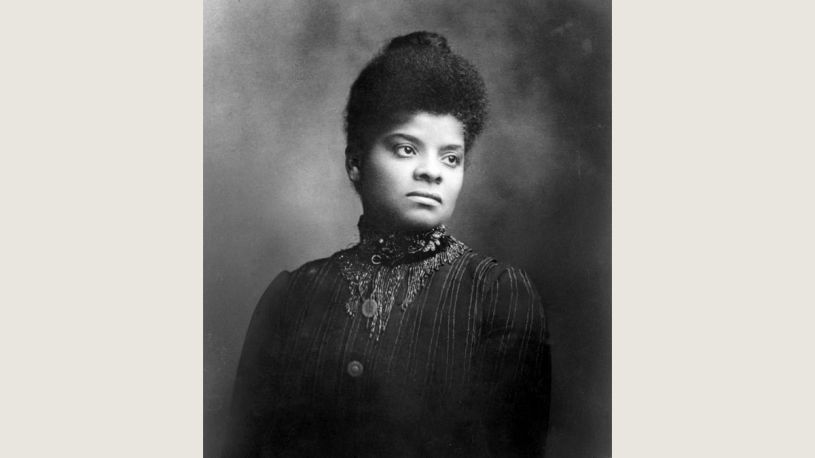
In 1892, a white mob lynched three Black businessmen in Memphis, including people known to journalist Ida B. Wells. Their deaths pushed her to investigate the claims used to justify mob violence across the American South.
White newspapers and officials frequently portrayed lynching as a spontaneous response to crimes. Wells examined actual cases and exposed how accusations could conceal economic rivalry, sexual coercion, political intimidation and the determination to enforce racial hierarchy.
Her journalism provoked furious retaliation. Her newspaper office was destroyed, and she faced credible threats against her life. She continued the campaign from outside Memphis, publishing evidence and travelling to build international opposition to lynching.
Wells’s method is as significant as her bravery: she treated a respectable public story as a proposition to investigate, not as a fact to inherit. Statistics, named cases, testimony and the inconsistencies of official claims formed the weapons she used against a culture of terror.
She helped establish the foundations of modern investigative civil-rights journalism. The lesson is not merely that hatred exists. It is that systems of violence often depend on persuading the broader public to believe a false explanation for what it is witnessing.
Sources and historical photograph
Library of Congress, Ida B. Wells-Barnett. Photograph: original image or collection. The archival subject is framed on a wide canvas to prevent homepage cropping.
Support DEPTH
Support independent writing about history and human lives. Contributions help make these stories available to everyone.

Boost us
If you like our content help us to create more.
$5.00
Discover more from The Confessor
Subscribe to get the latest posts sent to your email.
