
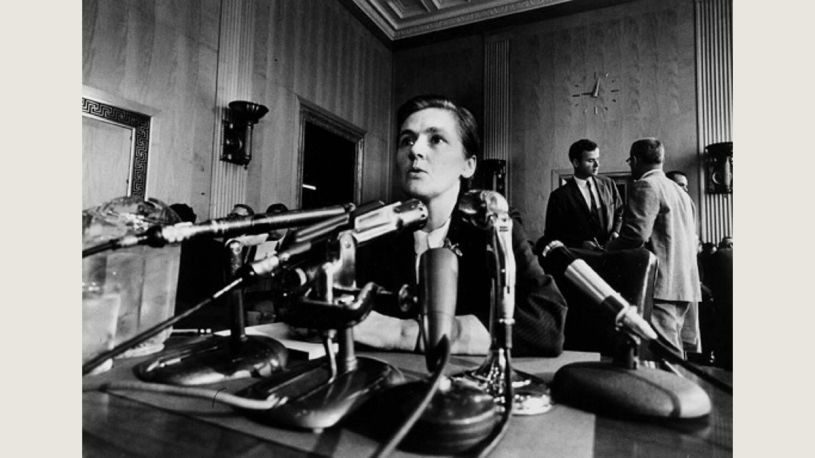
In 1960, a pharmaceutical company wanted permission to market thalidomide in the United States. The drug was already being sold in other countries, including for use by pregnant women experiencing nausea. FDA reviewer Frances Oldham Kelsey asked for stronger evidence that it was safe.
She was pressured to approve the application. She kept asking questions. Concerns about adverse effects, including reports of nerve damage, made the evidence insufficient. Meanwhile, a devastating connection emerged between thalidomide exposure during pregnancy and severe congenital malformations.
American distribution was not entirely absent—investigational supplies had reached patients—but the refusal of routine approval prevented the much wider sales that had occurred abroad. Kelsey was later honoured by President John F. Kennedy for her resistance to commercial pressure.
The central achievement was not clairvoyance. She did not begin by knowing every effect the drug would cause. She insisted that uncertainty was a reason to demand proof rather than an excuse to waive a safety requirement.
Her case demonstrates how an individual decision-maker can change thousands of lives if an institution grants them genuine independence. Safety regulation is often caricatured as paperwork until somebody learns what a competent refusal can prevent.
Sources and historical photograph
US Food and Drug Administration. Photograph: original image or collection. The archival subject is framed on a wide canvas to prevent homepage cropping.
Support DEPTH
Support independent writing about history and human lives. Contributions help make these stories available to everyone.

Boost us
If you like our content help us to create more.
$5.00
Discover more from The Confessor
Subscribe to get the latest posts sent to your email.
