
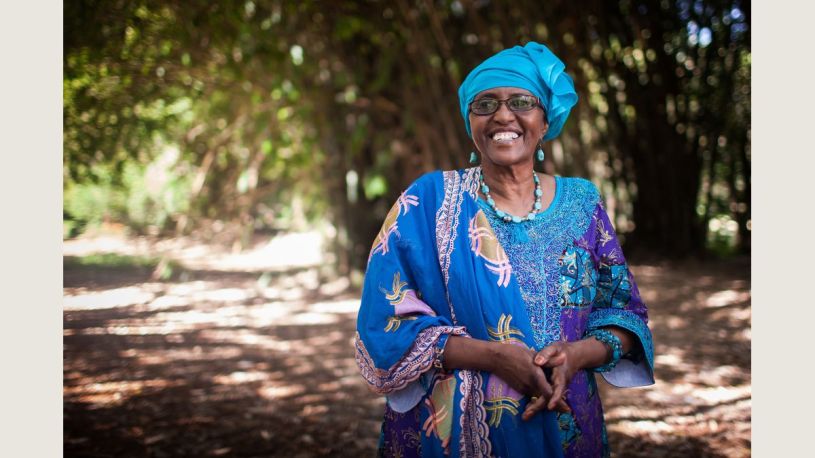
As Somalia descended into civil war, Dr Hawa Abdi’s farm near Mogadishu became something larger than a private medical practice. Displaced families came for water, safety, shelter and care. Eventually tens of thousands of people lived around the hospital and land she had helped develop.
Abdi was a physician and mother who understood the practical meaning of humanitarian protection: medical supplies had to arrive, sanitation had to function, food had to be distributed and armed groups had to be kept from making patients into targets.
In 2010 Islamist militants invaded the compound. The confrontation was especially charged because a woman had established and led an institution that men with guns wanted to control. Abdi resisted their demands, while women and residents protested the occupation of the site. The armed men eventually withdrew.
Her daughters, also medical professionals, worked alongside her in the long struggle to keep the services functioning. International admiration did not remove the everyday realities of disease, displacement and political violence.
Her life reveals a kind of authority that is rarely shown on battlefield maps: a person builds something so useful to ordinary people that their collective determination to protect it becomes a force of its own.
Sources and historical photograph
Dr Hawa Abdi Foundation. Photograph: original image or collection. The archival subject is framed on a wide canvas to prevent homepage cropping.
Support DEPTH
Support independent writing about history and human lives. Contributions help make these stories available to everyone.

Boost us
If you like our content help us to create more.
$5.00
Discover more from The Confessor
Subscribe to get the latest posts sent to your email.
