
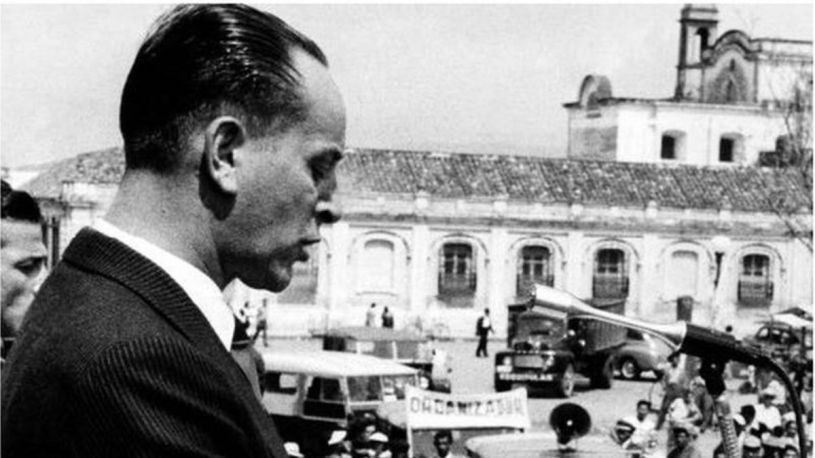
In 1954 Guatemala’s elected president Jacobo Árbenz was removed after a covert American campaign. His government had attempted to redistribute idle estates to landless farmers. One of the largest landowners was the US-based United Fruit Company. To understand the coup, follow the land, the compensation formula and the fear that reform would spread.
Decree 900 confronted an unequal countryside
Many Guatemalan families cultivated little or no land while enormous estates contained uncultivated acreage. Árbenz’s government passed its agrarian reform law, Decree 900, in 1952, authorising the expropriation and redistribution of certain unused lands with compensation.
The compensation was based on the value owners had declared for tax purposes. United Fruit had long held extensive land and benefited from its relationship with previous authoritarian governments. When the state used declared values to calculate compensation, it revealed the discrepancy between what landowners had told tax authorities and what they now said their property was worth.
The Cold War supplied the language of intervention
American officials feared communist influence in the Guatemalan government and the regional implications of agrarian reform. The CIA organised Operation PBSUCCESS, training an exile force under Carlos Castillo Armas and combining limited military pressure with psychological warfare, disinformation and intimidation.
The invading force was not itself capable of a conventional conquest of the country. Its significance lay partly in creating the appearance of an unstoppable movement and persuading Guatemalan military officers that Árbenz could no longer retain their support. He resigned in June 1954.
Beyond the fruit-company explanation
United Fruit had important commercial interests and extensive political access in Washington. But claiming that the whole coup happened for bananas alone obscures Cold War ideology, domestic class conflict and the participation of Guatemalan opponents. Likewise, describing the operation simply as a response to a Soviet threat disguises how small the military invasion actually was and how central propaganda was to its success.
The ensuing governments reversed important reforms. The coup helped inaugurate decades of political repression and a civil war in which enormous numbers of Guatemalans were killed or disappeared. A lesson of 1954 is that the apparent strength of an elected government can be destroyed by attacking the expectations of the people entrusted with defending it.
Sources and image provenance
US State Department, Foreign Relations of the United States: Guatemala 1952–1954; Oxford Research Encyclopedia, The CIA in Guatemala; BBC Mundo on Jacobo Árbenz. Featured image: historical photograph, illustration or primary document.
Support DEPTH
Keep independent historical investigation accessible. Support DEPTH with a contribution.

Boost us
If you like our content help us to create more.
$5.00
Discover more from The Confessor
Subscribe to get the latest posts sent to your email.
