
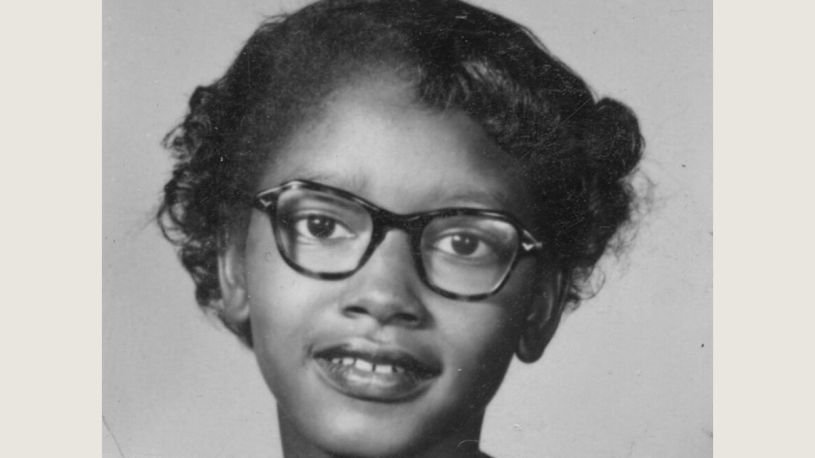
On March 2, 1955, fifteen-year-old Claudette Colvin refused to surrender her seat on a Montgomery, Alabama, bus to a white passenger. Police arrested her. The incident came nine months before Rosa Parks’s arrest became the starting point of the famous bus boycott.
Colvin was a teenager rather than an established adult activist. Her age, class and personal circumstances complicated the decisions of civil-rights organisers seeking the strongest possible legal and political campaign. This does not diminish her courage; it helps explain why public memory focused on Parks.
Colvin later became one of the plaintiffs in Browder v. Gayle, the federal lawsuit challenging Montgomery’s segregated buses. The ruling, upheld by the Supreme Court in 1956, brought legal defeat to the system.
The result required several forms of resistance at once: individual defiance, sustained boycott, legal strategy and a community able to withstand retaliation. No single symbolic gesture alone ended bus segregation.
Colvin’s story reveals how movements are remembered selectively. Public history often preserves one face of a victory, although the actual victory depended on many people making courageous decisions at different times.
Sources and historical photograph
NPR, Before Rosa Parks. Photograph: original image or collection. The archival subject is framed on a wide canvas to prevent homepage cropping.
Support DEPTH
Support independent writing about history and human lives. Contributions help make these stories available to everyone.

Boost us
If you like our content help us to create more.
$5.00
Discover more from The Confessor
Subscribe to get the latest posts sent to your email.
