
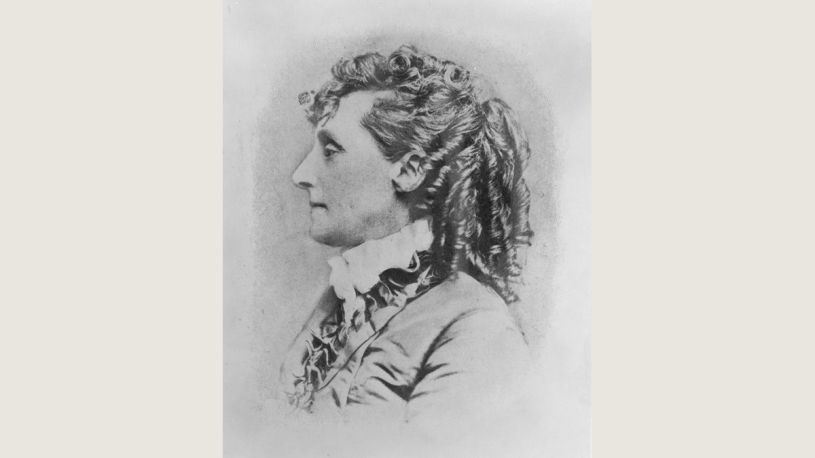
Elizabeth Van Lew belonged to a well-connected Richmond family. When Virginia seceded, she remained loyal to the United States. She found herself living in the capital of the government against which she was secretly working.
At first, she helped Union prisoners who were detained near her home, providing food, medical assistance and other aid. Over time she developed a network that carried information about Confederate military movements, political developments and supply arrangements to Union commanders.
The work depended on couriers, trusted contacts and carefully concealed messages. Enslaved and formerly enslaved people played indispensable roles in the wider intelligence environment, although the popular story of Van Lew’s network often exaggerates or simplifies uncertain details. She could not have done it alone.
After the war, President Grant appointed her postmaster of Richmond. Many former Confederates despised her; later stories described her as insane or eccentric, feeding a myth that obscured how disciplined and politically purposeful her activities had been.
Van Lew demonstrates that an intelligence network may be most effective where the ruling elite fails to imagine dissent. Confederate leaders understood espionage as a military threat, but a respected local woman could exploit their assumptions about who counted as politically dangerous.
Sources and historical photograph
Smithsonian American Women’s History Museum, 2026. Photograph: original image or collection. The archival subject is framed on a wide canvas to prevent homepage cropping.
Support DEPTH
Support independent writing about history and human lives. Contributions help make these stories available to everyone.

Boost us
If you like our content help us to create more.
$5.00
Discover more from The Confessor
Subscribe to get the latest posts sent to your email.
