
Early in the American Civil War, the Union and Confederacy exchanged prisoners under a formal agreement. By 1863 the system was breaking down. The growing number of Black Union soldiers exposed a question the Confederacy refused to answer on equal terms: would it treat a captured Black soldier as a prisoner of war, or as someone who had no right to serve?
The Dix–Hill cartel
On July 22, 1862, representatives of both sides signed an agreement governing the exchange and parole of captured soldiers. The arrangement reduced the need to hold enormous numbers of prisoners and helped armies recover men. It was vulnerable, however, to disputes over who was eligible, how parole terms were counted and whether each side honoured the rules.
After the Emancipation Proclamation, the Union began recruiting Black soldiers on a large scale. Confederate leaders resisted recognising those soldiers and their white officers on the same terms as captured white troops. Confederate measures threatened a radically different fate for Black prisoners, including re-enslavement or punishment.
Lincoln demanded equal treatment
In 1863 the Confederate Congress formalised discriminatory policies toward captured Black soldiers. Lincoln’s General Order 252 in July demanded equal treatment, and the Union suspended full operation of the exchange cartel when the Confederacy declined to comply. There were also quarrels about the administration of paroles and later calculations of the military advantage to be gained by releasing prisoners.
It is common to blame Ulysses S. Grant personally for ending exchanges. The National Park Service calls this a myth: the critical breakdown preceded his appointment to general command in 1864. His later decisions affected how and whether exchanges resumed, but the racial dispute and existing failures cannot be erased.
The human costs of institutional failure
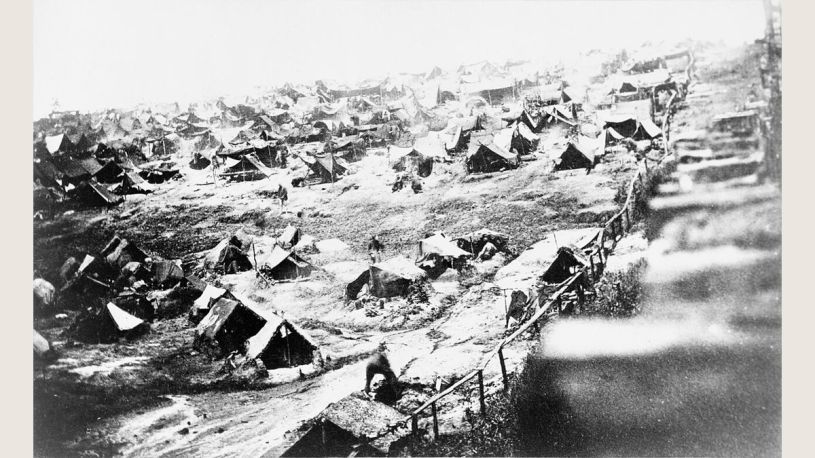
When large exchanges stopped, prison populations expanded. Thousands died in places such as Andersonville in Georgia and Elmira in New York from inadequate food, exposure, disease and overcrowding. Conditions, resources and responsibilities differed significantly across camps, and those differences deserve careful investigation.
The mechanism is brutal: a question of legal status and political principle could determine whether captured men were exchanged or left to endure starvation in prisons. For the Confederacy, treating Black soldiers equally would undermine its racial order. For the United States, abandoning those soldiers to unequal treatment would undercut the purpose for which they had fought.
Sources and image provenance
National Park Service, Grant and the prisoner exchange myth; Original Dix–Hill Cartel text, July 22, 1862; Authentic photograph of Andersonville prisoners’ tents. Featured image: historical photograph, illustration or primary document.
Support DEPTH
Keep independent historical investigation accessible. Support DEPTH with a contribution.

Boost us
If you like our content help us to create more.
$5.00
Discover more from The Confessor
Subscribe to get the latest posts sent to your email.

