
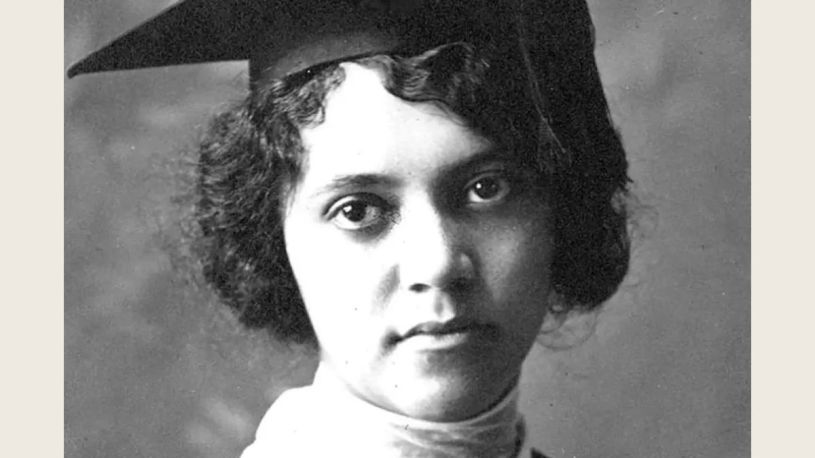
In 1915, Alice Ball was a young chemist at what is now the University of Hawaiʻi. Leprosy, today called Hansen’s disease, carried both severe physical risks and enormous social stigma. Doctors had experimented with chaulmoogra oil, but the substance was difficult to administer in an effective form.
Ball developed a chemical process that made components of the oil more suitable for injection. Her method offered patients a treatment that was more practical than earlier preparations, though it was not equivalent to the modern multidrug therapy that would later transform treatment.
She died in 1916 at only twenty-four. Afterward, Arthur L. Dean advanced and promoted work based upon the method, and the contribution of Ball was insufficiently credited for decades. Subsequent researchers recovered her role from the historical record.
Ball’s work brings together three kinds of exclusion: racism, sexism and the hierarchy that often determines which scientist’s name survives in accounts of discovery. The laboratory result had consequences for real patients, many of whom lived in enforced isolation.
The correction of her reputation matters not because recognition can change her fate, but because the history of science becomes more accurate when research is credited to the person who performed it.
Sources and illustration
University of Hawaiʻi, Alice Ball and her medical legacy. This post uses an authentic period photograph, engraving, archival illustration or related primary document for its featured image—not an AI reconstruction. The image is framed for wide homepage display.
Support DEPTH
If this kind of historically grounded writing is useful to you, support independent publishing.

Boost us
If you like our content help us to create more.
$5.00
Discover more from The Confessor
Subscribe to get the latest posts sent to your email.
