
There is a story that almost everyone loves telling: prudish Victorian doctors supposedly invented mechanical vibrators because treating women for ‘hysteria’ by inducing orgasms took too much time. It is funny, scandalous and perfectly designed to go viral. The problem? The historical evidence for the central claim is missing.
In a 2018 scholarly article, historians Hallie Lieberman and Eric Schatzberg re-examined the sources cited for the claim that physicians routinely used electromechanical vibrators to induce orgasms as medical treatment. They reported finding no evidence in those cited sources. That does not mean mechanical vibrators did not exist or were not used medically: they were used in multiple forms of bodily treatment. The specifically sexual medical narrative is what the authors challenged.
The story says as much about our appetite for irresistible anecdotes as it does about Victorian medicine. A historical claim can appear in books, documentaries and popular entertainment until repetition makes it sound proven. Sometimes the most revealing sexual history is the history of how we came to believe something that the documents do not support.
Further reading: Sexual history is full of confident generalizations. For a modern example of why individual experiences matter, read research on women and pornography.
- Evidence: Lieberman and Schatzberg (2018): A failure of academic quality control.
- Related reading: The birth control pill in 1960: How Enovid changed sex and women’s lives; and Helen Hamilton Gardener and sexual-law reform.
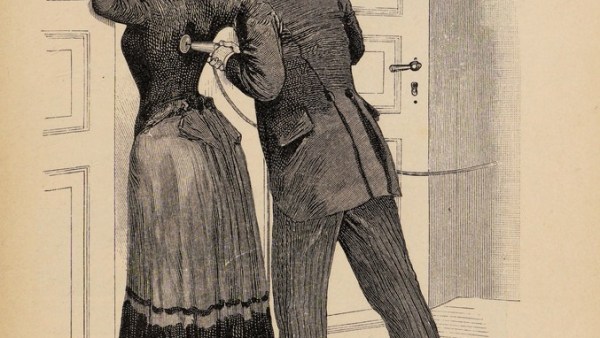
- Image credit: 1891 medical illustration of a mechanical vibrator applied to the upper back, from C. H. Liedbeck, via Wellcome Collection. Not evidence of orgasm treatment.
Discover more from The Confessor
Subscribe to get the latest posts sent to your email.
