
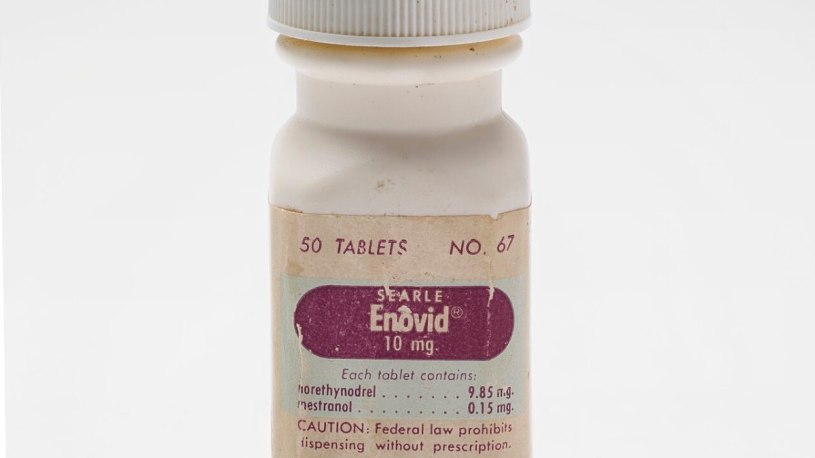
On 9 May 1960, the U.S. Food and Drug Administration approved Enovid as an oral contraceptive. For many women, that meant a new degree of control over if and when to become pregnant. A medical product that could be swallowed discreetly helped transform relationships, family planning and political debates about sex.
The pill emerged through work involving reproductive-rights advocate Margaret Sanger, funder Katharine McCormick, scientist Gregory Pincus and physician John Rock, among others. Its development also involved serious ethical questions about drug trials, informed consent and side effects. Early doses were substantially higher than many later formulations; the Smithsonian notes that side effects led researchers to reduce an early 10-milligram dose to 5 milligrams.
It was not the invention of sexual freedom, nor did every woman immediately have access to it. Laws, money, medical gatekeeping and social expectations still mattered. But in the history of sexuality, Enovid marks an extraordinary point: contraception became more separable from a partner’s cooperation and more directly controlled by the person who could become pregnant.
Further reading: The pill changed discussions of sexual agency. A different question about choice and media appears in what women actually want from pornography.
- Evidence: Smithsonian National Museum of American History: Enovid oral contraceptive.
- Related reading: Did Victorian doctors really use vibrators to treat hysteria? The famous myth; and an earlier battle over women’s rights and sexuality.
- Image credit: Early Enovid oral contraceptive bottle, Wikimedia Commons / Digital Public Library of America.
Discover more from The Confessor
Subscribe to get the latest posts sent to your email.
