
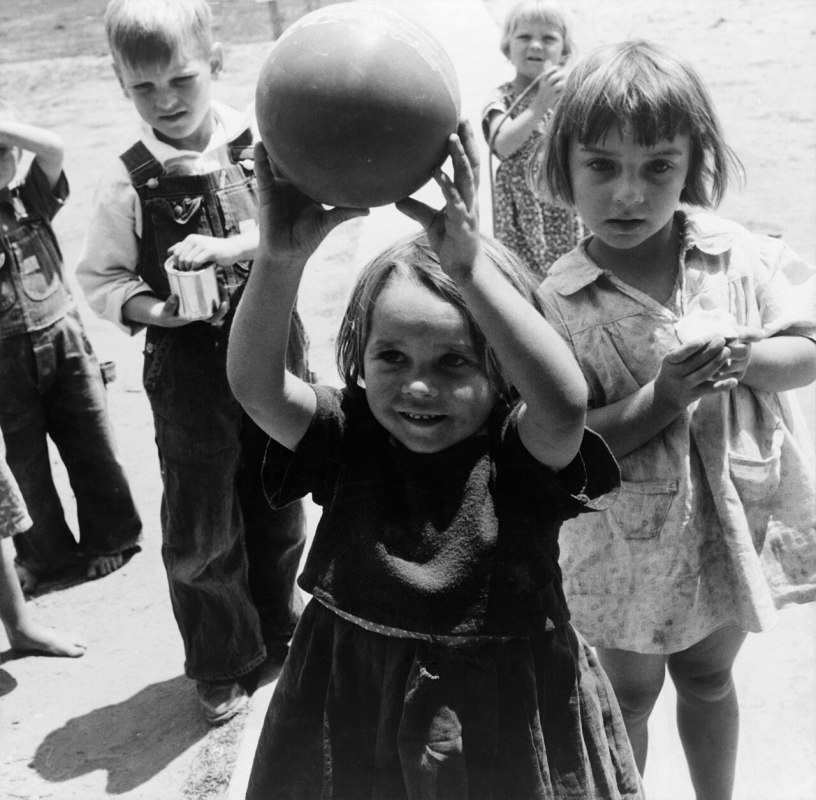
In 1939, Dorothea Lange photographed migrant children playing together at a camp nursery in California. Their families faced economic hardship, displacement and uncertainty. The picture is not a scientific study of loneliness; it is a reminder that a community can create occasions for belonging even under difficult conditions.
The World Health Organization reported in 2025 that roughly one person in six worldwide experiences loneliness. That figure is not proof that all these people are friendless. Loneliness is a felt gap between the relationships you have and the relationships you need. Social isolation is the more objective condition of having few contacts or roles. A person can be surrounded by people and lonely, or spend time alone and feel deeply connected.
What makes loneliness hard to solve
People frequently receive advice to ‘just go out’ as though relationships were products on a shelf. They are not. Friendship usually requires repeated encounters, mutual interest, safety, time and reciprocity. Money, disability, illness, caring responsibilities, discrimination and geography can make those conditions difficult to create. Loneliness is therefore both personal and social; shame is rarely useful.
Seven concrete ways to improve your chances
- Choose recurring rooms, not only one-off events. A weekly sports group, class, volunteer shift, choir or discussion group makes repeated contact possible. Familiarity grows through showing up again.
- Convert a pleasant encounter into a next meeting. Suggest a specific coffee, walk or activity. A vague “we should meet” rarely becomes a calendar entry.
- Practice reciprocal curiosity. Ask questions, listen for something distinctive, and share enough of yourself to make the interaction a genuine two-way exchange.
- Maintain existing connections. A regular check-in with an old friend can matter as much as meeting another stranger.
- Mix close relationships and lighter community ties. One best friend cannot be every form of support. Neighbours, collaborators, friends and family may serve different needs.
- Respect mismatch without making it a verdict on yourself. Many invitations will not lead anywhere. That does not show that no relationship is possible; it shows that mutual choice matters.
- Seek support when loneliness becomes overwhelming. A clinician or counsellor can help with associated depression, anxiety or habits that obstruct connection. Community and practical circumstances still matter.
Quality matters as much as quantity
The WHO describes social connection in terms of structure, function and quality: how many relationships exist, what support they offer, and how they feel. Ten draining contacts may be less nourishing than one person who can hear your bad news without disappearing. A relationship also needs boundaries; intimacy is not a license to control another person.
Try a four-week experiment: choose one recurring activity, attend it consistently, initiate two specific invitations, and rekindle one existing friendship. Measure actions within your control, not whether others immediately accept you. If it feels difficult, remember that building a social life is an iterative process rather than a personal examination you must pass.
Social connection is not a luxury reserved for extroverts. It is part of what makes human life sustainable.
Sources and further reading
- WHO: Social connection, loneliness and isolation (2025)
- CDC: Improving social connectedness
- WHO Commission on Social Connection, 2025 report
Featured historical photograph: Children playing together at a Farm Security Administration migrant camp nursery in California, photographed by Dorothea Lange in 1939.. Image source and rights are detailed in its media caption. Historical photographs illustrate the background; they are not pictures of 2026.
Explore other essential subjects at Start Here. If this writing helps, subscribe for free or support independent writing.
Discover more from The Confessor
Subscribe to get the latest posts sent to your email.
