
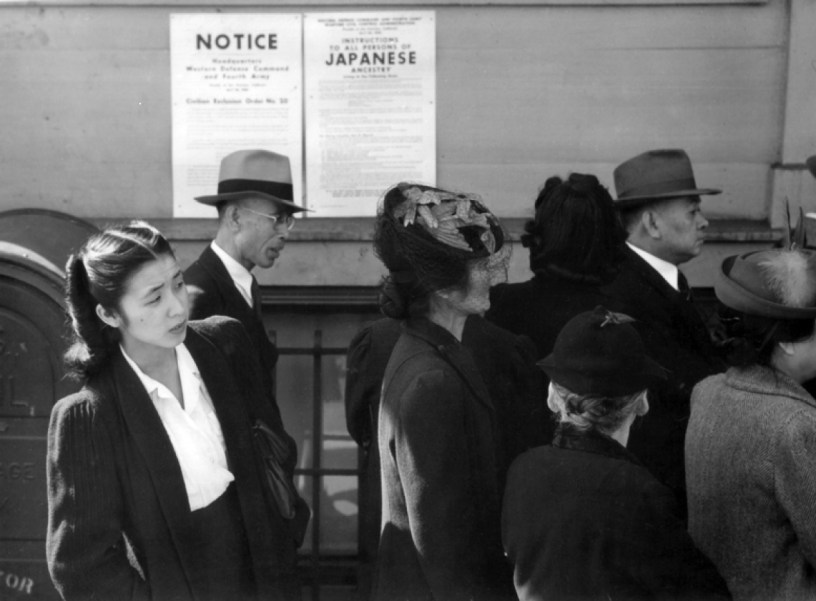
In April 1942, Dorothea Lange photographed Japanese Americans facing the machinery of forced removal. They were not convicted of a crime. Yet wartime fear, discrimination and sweeping government orders helped strip more than 120,000 people of their freedom and homes. The historical image in this article is a record of what can happen when a society starts treating a whole category of people as a security problem.
This story is distinct from the Holocaust, but it belongs in a broader education about propaganda, scapegoating and the fragility of rights. The United States Holocaust Memorial Museum has documented how Nazi propaganda and censorship shaped public opinion, demonized Jews and other groups, and helped make exclusion seem normal. These histories should be studied on their own terms, not casually equated.
Five recurring moves in dangerous propaganda
- 1. Reduce individuals to a single threatening label. People become an infestation, a contaminant, a fifth column, a demographic menace or a faceless mass. Once individuality disappears, cruelty can be framed as administration.
- 2. Repeat simple claims until familiarity feels like truth. Slogans, selective imagery and constant repetition make an allegation cognitively easy to recognize. Recognition is not evidence.
- 3. Create a false choice. “Either we suspend their rights or our children are unsafe.” This suppresses alternatives such as individualized investigation, proportional safeguards and due process.
- 4. Isolate the audience from independent information. Smear journalists, close critical outlets, hide records and present all outside criticism as evidence of a hostile conspiracy.
- 5. Turn ordinary compliance into moral innocence. A clerk, neighbour or bureaucrat may insist they merely followed procedures. Institutional responsibility does not remove individual choices.
A practical test for the news you consume
Ask whether the report gives the affected people names, motives, voices and context—or only portrays them as objects. Ask what evidence supports collective guilt. Check whether the same standards are applied when the accused belong to your own group. Notice when a policy is described only in abstract administrative language while its human consequences are omitted. Contrast official accounts with independent reporting and, when possible, testimonies and primary documents.
Not every persuasive message is genocidal propaganda. Campaigns, public health communication and ordinary advocacy all attempt to influence behaviour. The distinguishing danger lies in patterns of deception, stigmatization, suppression of scrutiny and the systematic withdrawal of rights.
Courage does not begin at the final atrocity
It starts much earlier: refusing an unverified slur, objecting to collective punishment, speaking to the person others refuse to see, defending a journalist you dislike, or demanding evidence before coercion. Historical knowledge cannot guarantee moral courage. It can at least prevent us from claiming that the warning signs were incomprehensible.
Sources and further reading
- U.S. National Park Service: Japanese American incarceration
- U.S. Holocaust Memorial Museum: Nazi propaganda
- Holocaust Encyclopedia: Propaganda and censorship
Featured historical photograph: Dorothea Lange’s 1942 photograph of Japanese Americans facing compulsory removal notices after Executive Order 9066.. Image source and rights are detailed in its media caption. Historical photographs illustrate the background; they are not pictures of 2026.
Explore other essential subjects at Start Here. If this writing helps, subscribe for free or support independent writing.
Discover more from The Confessor
Subscribe to get the latest posts sent to your email.
