
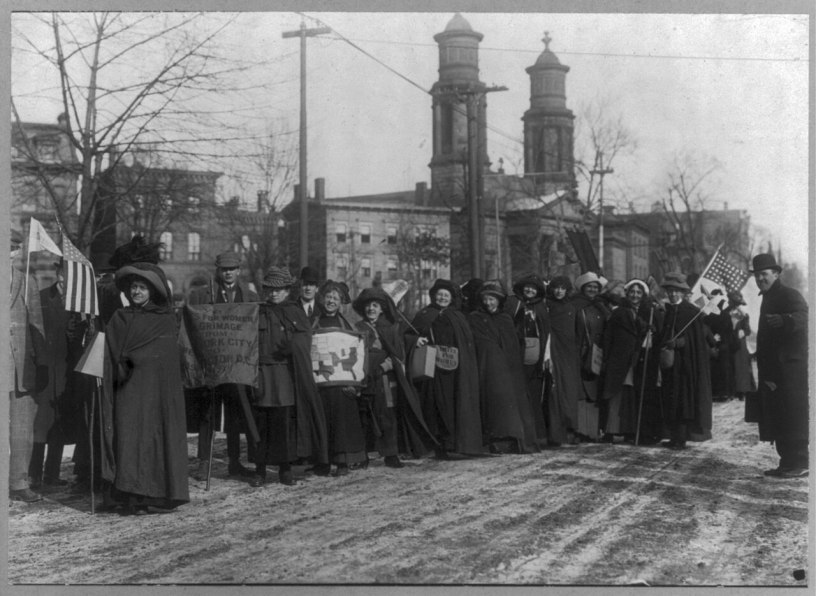
In 1913, women marched in Washington to demand a political voice. Rights that later generations could take for granted were contested in the streets, newspapers and legislatures. One lesson remains urgent in 2026: political power does not merely make decisions; it also fights to define what people consider normal, frightening or possible. Propaganda is not always an outright lie. Often it is selective truth organized to move an audience.
Seven signs worth recognizing
- The enemy is made less than human: an entire population is treated as inherently threatening, dirty or disloyal.
- Fear replaces evidence: an immediate catastrophe is predicted unless you obey.
- One incident stands for millions: exceptional behavior is used to define a whole group.
- Repetition impersonates proof: the same assertion appears everywhere without new evidence.
- False choices: you are told there are only two positions, loyalty or betrayal.
- Language hides agency: people ‘were killed’ with no examination of who killed them or why.
- Questions become forbidden: asking for evidence is characterized as treachery.
These techniques can appear in governments, political parties, corporations, armed movements and online communities. That is why identifying propaganda cannot mean simply disagreeing with a position. A claim can support a cause you favor and still need verification.
How to resist without becoming cynical
Ask who benefits from a particular framing, what evidence was excluded, who is speaking for the people described, and what a fair-minded critic would say. Compare independent sources. Most importantly, protect the distinction between accountability for an action and collective blame for an identity.
The Universal Declaration of Human Rights begins from the equal dignity of human beings. It is not a substitute for investigating a specific conflict, but it is a useful moral reference when public language starts describing whole groups as expendable.
Sources and further reading
- United States Holocaust Memorial Museum: Nazi propaganda
- United Nations: Universal Declaration of Human Rights
- Further reading: Sabra and Shatila and broken guarantees
Historical featured photograph: a real archival image from the year specified in its caption. It illustrates the historical background, not a modern 2026 event.
Discover more from The Confessor
Subscribe to get the latest posts sent to your email.
