
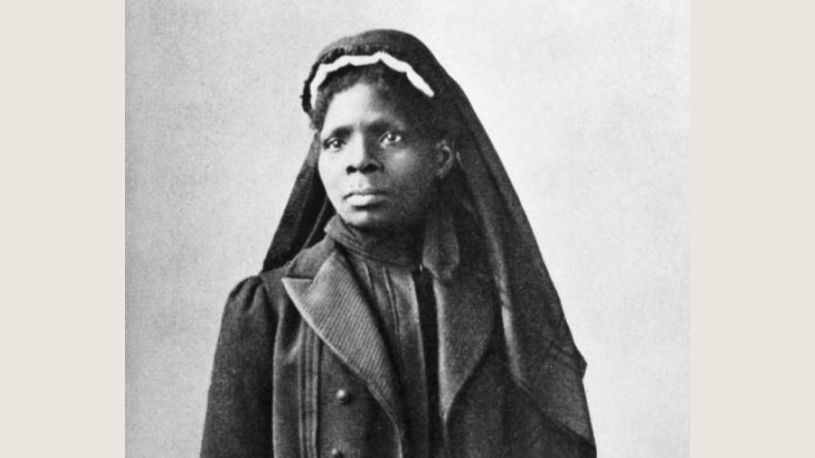
Susie King Taylor was born enslaved in Georgia and learned to read and write despite laws designed to deny Black people an education. When Union troops occupied part of the Georgia coast in 1862, she reached territory where that knowledge could be put to work for others.
Taylor taught formerly enslaved Black soldiers to read and write while assisting with nursing and camp duties. She served among men who had taken up arms not only to defeat the Confederacy but to destroy the institution that had held them and their families in bondage.
Her memoir, published in 1902, offers a rare account of the war from a Black woman who had participated in it. She described labour, camp conditions, illness, military life and the uncertainty that followed emancipation.
Military histories often count soldiers and battles but give much less space to the teachers, nurses and other workers who made an army possible. In an army composed of men denied education by law, literacy was not a luxury. It was a form of self-determination.
Taylor’s life illustrates why emancipation cannot be reduced to a presidential document or a battlefield surrender. Freedom had to be made real through education, care, work and an ongoing fight for rights after the war.
Sources and historical photograph
American Battlefield Trust, Susie King Taylor. Photograph: original image or collection. The archival subject is framed on a wide canvas to prevent homepage cropping.
Support DEPTH
Support independent writing about history and human lives. Contributions help make these stories available to everyone.

Boost us
If you like our content help us to create more.
$5.00
Discover more from The Confessor
Subscribe to get the latest posts sent to your email.
