
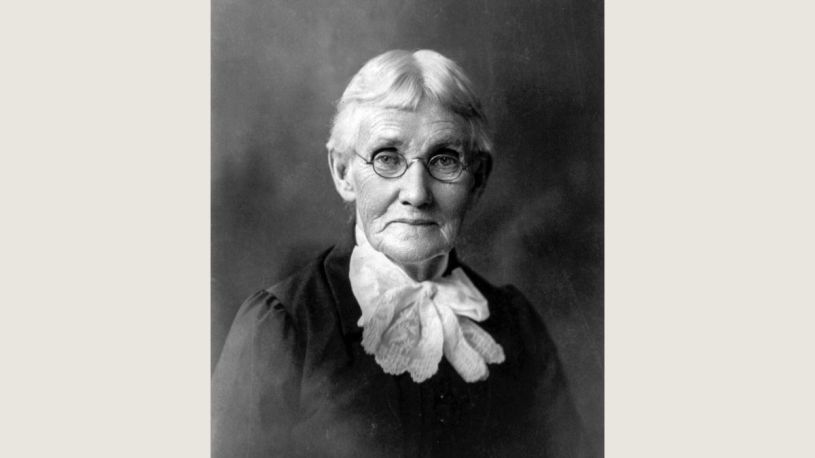
Mary Ann Bickerdyke did not arrive in the American Civil War with a general’s commission or an influential government post. She came to help sick and wounded soldiers, and soon discovered that the men commanding armies did not always know how to feed, shelter or care for the people fighting for them.
Nicknamed Mother Bickerdyke, she organised supplies, improved sanitation, cared for the wounded and demanded better conditions. She became known for confronting officers when military bureaucracy obstructed necessities. General William T. Sherman valued her work despite her refusal to be easily managed.
Her effectiveness was not sentimental. She understood that clean bedding, food, water, cooking facilities and timely transport affected whether wounded men lived or died. Good intentions without logistics could accomplish little.
She worked across the Western Theater, where huge armies moved through areas with limited medical infrastructure. Her work reflected an enormous and often neglected part of warfare: the labour of keeping human beings alive after strategy has put them in danger.
She also demonstrates why authority and competence are not identical. A woman without a rank could sometimes understand the needs of an army more clearly than the officers officially responsible for it.
Sources and historical photograph
American Battlefield Trust, Mary Ann Bickerdyke. Photograph: original image or collection. The archival subject is framed on a wide canvas to prevent homepage cropping.
Support DEPTH
Support independent writing about history and human lives. Contributions help make these stories available to everyone.

Boost us
If you like our content help us to create more.
$5.00
Discover more from The Confessor
Subscribe to get the latest posts sent to your email.
