
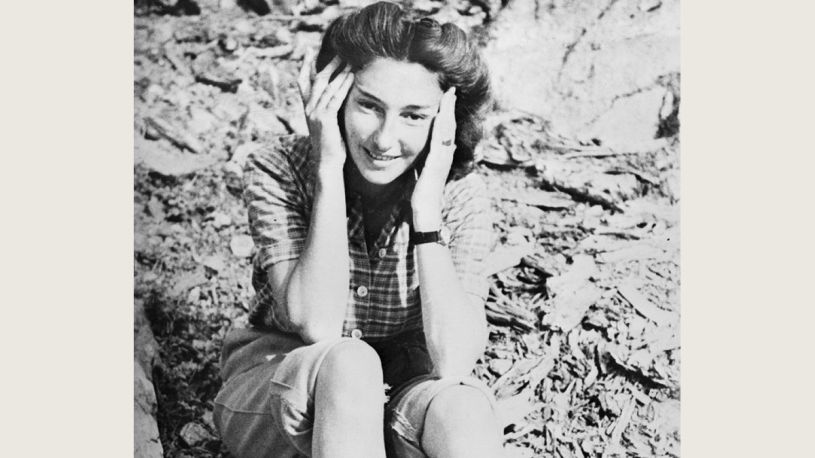
Before James Bond existed, Krystyna Skarbek was crossing borders under assumed identities, carrying intelligence for the Allies and surviving situations in which capture would have been fatal. She was Polish, audacious and exceptionally skilled at reading other people’s intentions.
Her wartime work began after Germany invaded Poland. She travelled through difficult terrain, built contacts and supplied information to British intelligence. Later, as an agent of the Special Operations Executive, she worked in occupied France, where resistance networks depended on personal trust and rapid improvisation.
One celebrated episode involved the release of prisoners captured by the Gestapo. Skarbek’s role required more than physical courage: it demanded convincing people who held her life, and others’ lives, in their hands. Stories about individual conversations can be embellished in retelling, but the broader record of her missions and exceptional initiative is well established.
The irony of her postwar life was cruel. When the war ended, employment and security did not automatically follow for a woman who had been invaluable to British operations. She lived precariously and was murdered in London in 1952.
Skarbek’s life challenges a common assumption about merit and reward. Institutions may depend upon extraordinary people during an emergency and have remarkably little place for them after the emergency is over.
Sources and photograph
Polish Radio, Krystyna Skarbek and wartime intelligence. Historical photograph or documentary image: original image source.
Support independent history writing
If you value independently researched historical stories, you can help keep DEPTH publishing by making a contribution.

Boost us
If you like our content help us to create more.
$5.00
Discover more from The Confessor
Subscribe to get the latest posts sent to your email.
