
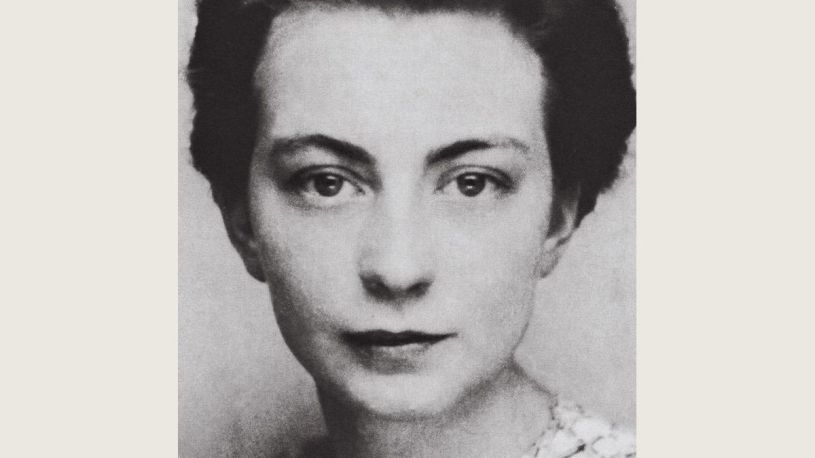
A downed Allied airman in occupied Europe needed more than a hiding place. He needed false papers, civilian clothes, food, railway tickets and a chain of strangers willing to risk imprisonment or death. Andrée de Jongh helped build such a chain.
The Belgian resistance organiser became a central figure in the Comet Line, an escape network moving Allied personnel through Belgium and France, across the Pyrenees and into neutral Spain. Every journey involved strangers, checkpoints, mountain terrain and the danger that a single compromised link would expose the entire route.
De Jongh personally accompanied escapees on dangerous passages. Her youth and determination sometimes led others to underestimate her; the network’s success depended on logistical discipline far more than glamorous espionage. Local helpers, guides and families were as indispensable as the organisers whose names became famous.
She was arrested in 1943 and deported to Nazi concentration camps, but survived the war. Many others in the escape network did not. The line’s achievements belong to a collective effort whose members absorbed extraordinary risks for people they might never meet again.
De Jongh’s life is a lesson in practical solidarity. The question was not whether she felt sympathy for trapped airmen. It was whether she could make a functioning system to carry them to safety, one house, document and mountain crossing at a time.
Sources and photograph
Imperial War Museums, The Comet Escape Line. Historical photograph or documentary image: original image source.
Support independent history writing
If you value independently researched historical stories, you can help keep DEPTH publishing by making a contribution.

Boost us
If you like our content help us to create more.
$5.00
Discover more from The Confessor
Subscribe to get the latest posts sent to your email.
