
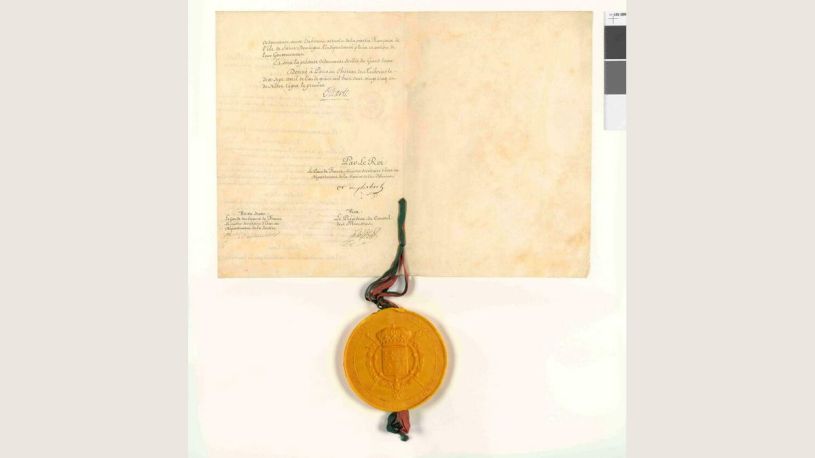
Haiti defeated the army of Napoleon’s France and proclaimed independence in 1804. Twenty-one years later, a French king demanded that the country compensate former slaveholders for the loss of their human property. The price of diplomatic recognition was a staggering 150 million francs. French warships stood behind the demand.
A victory turned into a debt
The Haitian Revolution was not merely a colonial rebellion. Enslaved people had overthrown the plantation order, survived attempts to restore it and created an independent state. For France, that threatened both a source of immense wealth and the wider legitimacy of slaveholding empires. France withheld recognition, and Haitian leaders knew the danger of renewed attack.
On 17 April 1825, Charles X issued an ordinance offering recognition under conditions. It required Haiti to reduce duties on French goods and pay 150 million francs as compensation to former French colonists. The threat was backed by a naval squadron. This was not a voluntary commercial arrangement freely negotiated between equals.
The mechanism of the double debt
Haiti could not pay the demanded sum from current revenues. It borrowed from French banks to make its first payment, creating one debt to satisfy another. Refinancing and subsequent agreements added financial burdens and gave overseas creditors long-lasting leverage over the young country’s customs revenues and budgets.
In 1838 France reduced the original indemnity total to 90 million francs, but lowering a devastating demand did not erase its earlier effects. Servicing foreign obligations constrained what the state could spend on schools, infrastructure and public health. Money raised from Haitian workers went to compensate people or their heirs whose plantations had depended on slavery.
What the debt explains—and what it does not
It is impossible to attribute every subsequent Haitian crisis to the indemnity. Domestic political conflict, unequal land distribution, other foreign interventions, natural disasters and later financial decisions also shaped the country’s trajectory. But it is equally wrong to write Haiti’s economic difficulties as if they emerged from a society that had simply failed to govern itself.
This case exposes a form of power that survives a military defeat: creditors can demand resources long after their soldiers have been expelled. France lost the war, yet it made Haiti pay for the victory.
Sources and image provenance
France’s 1825 ordinance (French constitutional texts); The 1838 revised treaty on the indemnity; New York Times investigation: Haiti’s lost billions. Featured image: period photograph, map or primary document, prepared as a landscape image with the original content fully visible.
Support DEPTH
Independent, source-based historical writing takes time. Your contribution supports more accessible investigations.

Boost us
If you like our content help us to create more.
$5.00
Discover more from The Confessor
Subscribe to get the latest posts sent to your email.
