
Published 15 November 2026. This is forward-looking reporting; official schedules and implementation details may change.
Starting 18 February 2027, certain batteries placed on the European Union market will have to carry an electronic record: a battery passport. This affects electric-vehicle batteries, light-means-of-transport batteries such as those used in many e-bikes, and industrial batteries exceeding 2 kWh. It does not mean that every AA battery or phone battery suddenly needs a government-issued passport.
What is the battery passport?
The EU Batteries Regulation creates a digital record linked to the individual battery, containing model information as well as specified information relating to that battery. It is designed to make parts of the product’s history easier to inspect across manufacturing, use, repair, second life and recycling. A data carrier, such as a QR code, will connect to the information.
The requirement is part of a wider move toward digital product passports. Physical goods are becoming accompanied by structured records of what they are, who is responsible for them and, where applicable, how their condition has changed. The idea is to reduce information gaps in markets where an object can pass through many owners and repairers.
What can a buyer actually learn?
The regulation divides information into categories: some accessible to the public, some reserved for market-surveillance authorities and other bodies, and some available to parties with a legitimate interest. This means a battery passport is not an invitation for every person to inspect all of a manufacturer’s commercial secrets.
Importantly, not every data requirement applies on the first day. The Commission’s October 2026 guidance explicitly distinguishes February 2027 fields from requirements that arrive later. For example, certain carbon-footprint and recycled-content disclosures follow their own schedules. A headline claiming that every battery will disclose its complete environmental history immediately would be misleading.
Why resale and repair may matter more than the QR code
An electric vehicle’s battery is often its most economically important component. Used-car buyers want to know whether a battery has been heavily worn, replaced, refurbished or damaged, but available information can be patchy. The passport system could help create more consistent records and improve decisions about reuse and recycling, although precisely which state-of-health data can be used in a transaction will depend on access rules and implementation.
Producers and other economic operators—not ordinary e-bike owners filling in forms—have defined responsibilities for creating or updating the required passport information. Repurposed or remanufactured batteries may need a new passport linked to the previous one. A simple repair does not automatically require creating a new passport.
The larger question: will traceability produce accountability?
A record is not automatically truthful, and a supply chain can be complicated even when every record is machine-readable. Battery passports will not by themselves prevent unsafe mining conditions, guarantee ethical materials or make every battery environmentally friendly. Effective auditing and enforcement remain indispensable.
Nevertheless, the principle is important. Industrial products have often moved through the world accompanied by invoices and private technical documents that ordinary users never see. The EU is experimenting with making part of a product’s identity follow it after the first sale. If the system works, the battery may be just the beginning.
Sources and further reading
EU Commission: Battery passports and 18 February 2027 schedule
EU Commission: Battery passport FAQ
EU Battery Regulation, Article 77
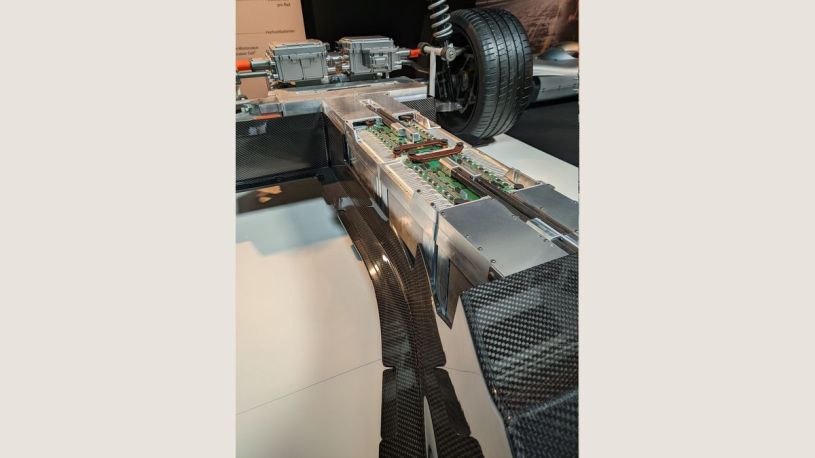
Featured image: authentic documentary image and attribution record. Photograph of an actual EV battery pack by Mugel2110 (2023); not a mock-up of a battery passport. The image was placed in a 1200 × 675 frame without cutting off the source.
Support DEPTH
Independent explanations grounded in primary sources take time. If this article helped you understand what is changing, you can support the work.

Boost us
If you like our content help us to create more.
$5.00
Discover more from The Confessor
Subscribe to get the latest posts sent to your email.

