
During the South African War of 1899–1902, British forces interned Boer women and children in camps created as part of a wider strategy against Boer guerrillas. Black South Africans were also confined in camps under different and often inadequately documented conditions. Disease and inadequate provisions killed thousands.
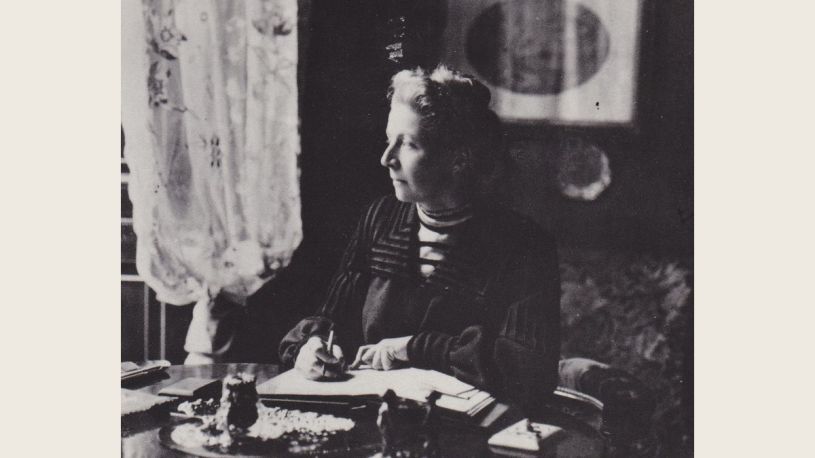
Emily Hobhouse travelled to South Africa and investigated conditions in the Boer camps. She saw overcrowding, poor sanitation, inadequate rations and the suffering of children. Her reports condemned what Britain was doing, infuriating people who regarded criticism during wartime as disloyalty.
Hobhouse did not personally end the camps. Her work helped draw public scrutiny to the conditions and contributed to demands for reform; other investigators and campaigners also played roles. She was attacked by parts of the British political and press establishment.
The disturbing mechanism was not that every official wished children dead. It was that a military strategy treated civilians as instruments through which pressure could be applied to enemy fighters. Once families were concentrated in poorly supplied camps, mortality followed from decisions that could be described as administrative necessity.
Hobhouse’s moral achievement was to report what she saw even when acknowledging those facts brought her into conflict with her own country.
Sources and image provenance
The National Archives, Boer War resources. The featured image is a historical photograph or primary historical document; attribution details are stored with the image in the site’s media library.
Support DEPTH
If you want more rigorously researched history on Project Authenticity, support independent publishing.

Boost us
If you like our content help us to create more.
$5.00
Discover more from The Confessor
Subscribe to get the latest posts sent to your email.
