
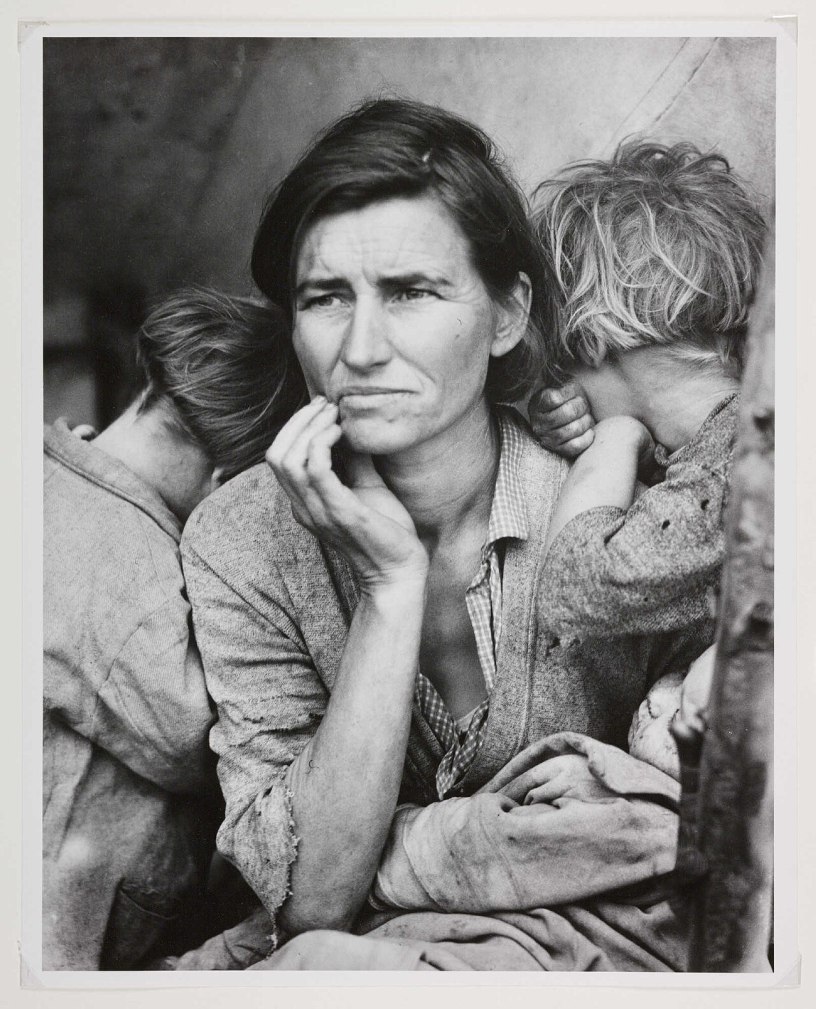
A 1936 photograph by Dorothea Lange shows Florence Owens Thompson with her children during America’s Great Depression. It is not a study of loneliness; it is a reminder that human beings experience economic shocks through households, dependencies and relationships. In 2026, an extraordinary number of interactions are available through screens, yet contact is not the same as being known.
What makes a relationship real?
A satisfying relationship usually involves repeated contact, mutual attention, reliability, respect for boundaries, and the ability to disagree without disappearing. A large following, a crowded contact list, or a partner’s physical presence does not by itself supply those qualities. The World Health Organization has recognized social connection as a public-health concern, but no single number of friends is right for everyone.
Five things that actually create the opportunity
- Return to the same places. Repeated, low-pressure contact makes familiarity possible: clubs, classes, volunteering, shared projects.
- Take small social risks. Ask a real question, suggest a walk, or make a specific invitation. Be prepared to hear no.
- Become reliable. Follow through, remember things, and check in without needing a crisis to justify contact.
- Use reciprocity as the test. Notice who asks about you, initiates contact or makes time. Connection cannot be manufactured by one person alone.
- Make room for different levels of intimacy. Acquaintances, close friends, partners and community ties each serve different purposes.
Loneliness is not always cured by social activity. People can feel profoundly alone inside relationships, and barriers such as disability, finances, exclusion or geography can restrict opportunity. Avoid making it a character flaw. If isolation is accompanied by prolonged low mood or loss of functioning, professional support may help, but it cannot replace the need for actual companionship.
The goal is not to collect people. It is to build a small number of relationships in which presence is welcome and care can travel in both directions. That is a social skill, but it is also a social condition: communities need places where people can meet without buying something.
Sources and further reading
- World Health Organization: Commission on Social Connection
- U.S. CDC: social connection
- A personal essay about loneliness and attention
Historical featured photograph: a real archival image from the year specified in its caption. It illustrates the historical background, not a modern 2026 event.
Discover more from The Confessor
Subscribe to get the latest posts sent to your email.
