
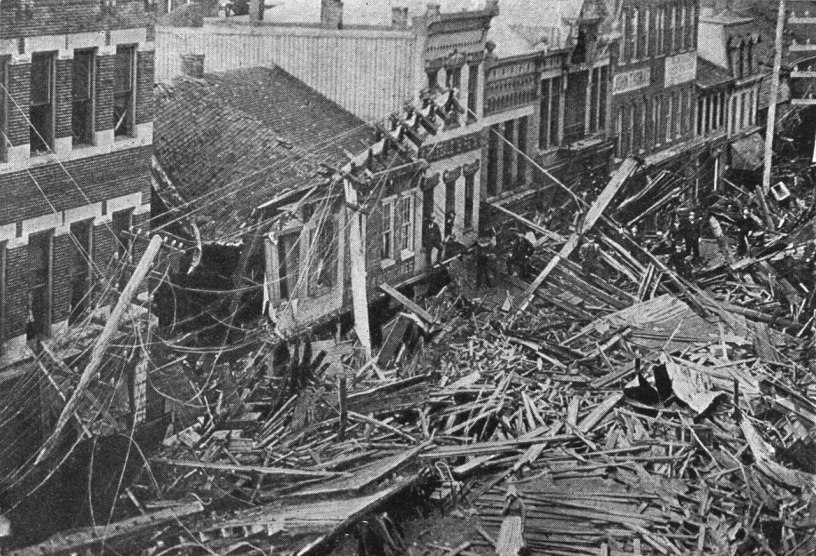
At about 3:10 p.m. on 31 May 1889, the South Fork Dam broke above Johnstown, Pennsylvania. A vast wall of water tore down the valley, sweeping away houses, businesses and entire families. The official death toll was 2,209, though the National Park Service notes the actual number may have been higher. The catastrophe was not a freak ocean storm; the water came from a reservoir.
The reservoir was controlled by the South Fork Fishing and Hunting Club, a retreat for wealthy Pittsburgh members. Over time, the dam had been altered and inadequately repaired. Its crest was lowered, its drainage arrangements were compromised and screens could obstruct the spillway. Heavy rain came, the reservoir rose, and the structure failed.
Despite public outrage, the club’s members were not held legally responsible for the deaths. The flood still poses an uncomfortable question: what happens when those who enjoy a private luxury do not bear the full consequences of the risk imposed on everyone living below?
- Historical source: National Park Service: the South Fork Dam.
- Read next: Boston’s Great Molasses Flood: The 1919 disaster that killed 21 people, or explore another hidden cost of the American Civil War.
Discover more from The Confessor
Subscribe to get the latest posts sent to your email.
