
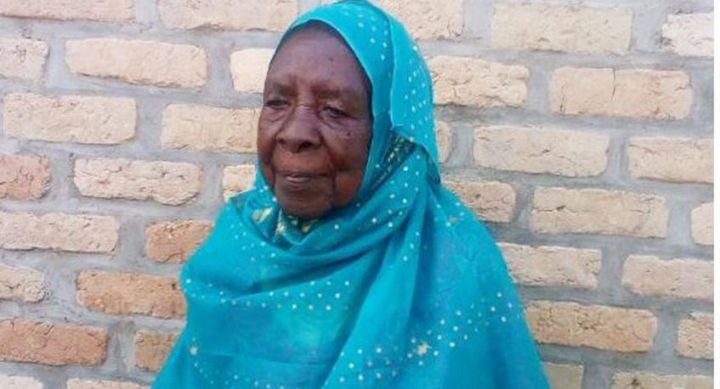
The woman who saved 100 people by pretending to be a witch.
In April 1994, a woman named Zura Karuhimbi was living in a tiny, two-room mud house in southern Rwanda. She was about 69 years old. A farmer, a mother, a traditional healer. She had never attended school.
Then the genocide began.
Hutu extremists started systematically murdering their Tutsi neighbours. Entire families were slaughtered. People were killed in their homes, in churches, in the streets. Sometimes by people they had known their entire lives.
Zura was Hutu herself.
She began taking people into her home. Tutsis mostly, but also Burundians and three Europeans. Some were acquaintances. Others were complete strangers. She reportedly rescued babies from the bodies of their murdered mothers.
Soon she was hiding more than 100 people.
In two rooms.
Some squeezed underneath furniture. Others hid in a hole outside, covered with wood. Still others lay beneath beanstalks or concealed themselves in trees.
Eventually the Interahamwe militia came looking for them.
Zura had no gun. No soldiers protecting her. No means of fighting back against men carrying machetes and rifles.
But she had something else.
A reputation for witchcraft.
She came from a family of traditional healers. Her neighbours believed she possessed supernatural powers. And she decided to make the killers believe it too.
She covered her hands in herbs that caused severe skin irritation. When militiamen approached, she touched them. Their skin began burning.
She told them the spirits were angry.
Then she went inside, shook metal objects and ordered the people hiding there to scream. When the killers heard the terrible noises coming from the house, Zura announced that her spirits were preparing to destroy them.
They fled.
But they came back. Again and again.
On one occasion they attempted to burn down her house. On another they threatened to shoot it up.
She kept confronting them.
Sometimes the killers offered her money to hand over the refugees. She refused.
And somehow, through three months of genocide, the old woman managed to keep the people she was hiding alive.
When the killing finally stopped in July 1994, every single person she had sheltered had survived.
Zura herself had lost two of her children.
In 2006, Rwanda’s president Paul Kagame awarded her the Campaign Against Genocide Medal. She treasured it so much that she reportedly kept it under her pillow while sleeping.
In 2014, a journalist visited her.
She was still living in the same little house. Its walls were deteriorating. Rain came through the roof. She was old, poor and dependent on others for survival.
She told him that she had never believed in witchcraft herself.
It had all been a performance.
Zura Karuhimbi died in December 2018.
She had saved more than 100 human beings by convincing murderers that her house was inhabited by evil spirits.
The extraordinary thing is that the murderers were terrified of imaginary demons.
They weren’t terrified of what they themselves had become.

