
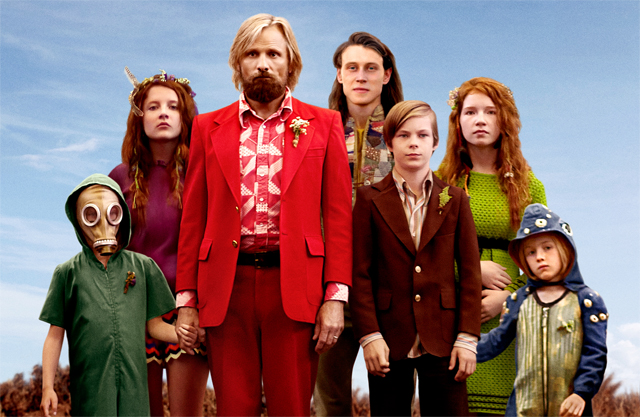
Strong families create independent humans, and independent humans don’t rely on institutions, ideologies, workplaces, or algorithms to give them identity or direction — which makes them inconvenient for the system. In practice, this means people grow up in homes where emotional connection is inconsistent, communication is brittle, affection is conditional, and conflict avoidance replaces truth — so individuals enter adulthood hungry, unsure, and easy to redirect. When the family bond is weak, people compensate by attaching themselves to substitutes: brands, bosses, influencers, political tribes, wellness communities, ideological movements, anything that offers structure where the original structure failed. Men respond by shutting down emotionally and becoming isolated; women respond by over-functioning emotionally and taking responsibility for everyone else’s stability. The blade cuts deepest when you understand that the “broken family” isn’t a glitch of modern life — it’s the perfect foundation for a society where people look outward instead of inward for a sense of belonging.
The Fragile Family: When the Home Weakens, the System Strengthens. The system that really runs your life. Blade 14.
 The Confessor